12,000 miles guide: Maintaining a clean car interior
"A clean car is more than just a visual luxury; it is a controlled environment for your respiratory health."
To suppress bacteria and allergens inside your vehicle, you must focus on high-touch surfaces, air filtration, and moisture control. This guide covers the essential sequence of disinfecting surfaces, maintaining the HVAC system, and managing humidity to ensure a healthy cabin.
Key Takeaways * Prioritize disinfecting high-touch points like the steering wheel and gear shifter. * Regularly replace cabin air filters to prevent airborne bacterial buildup. * Control humidity to prevent mold growth in upholstery and floor mats.
* Use appropriate cleaning agents that do not damage delicate electronic components.
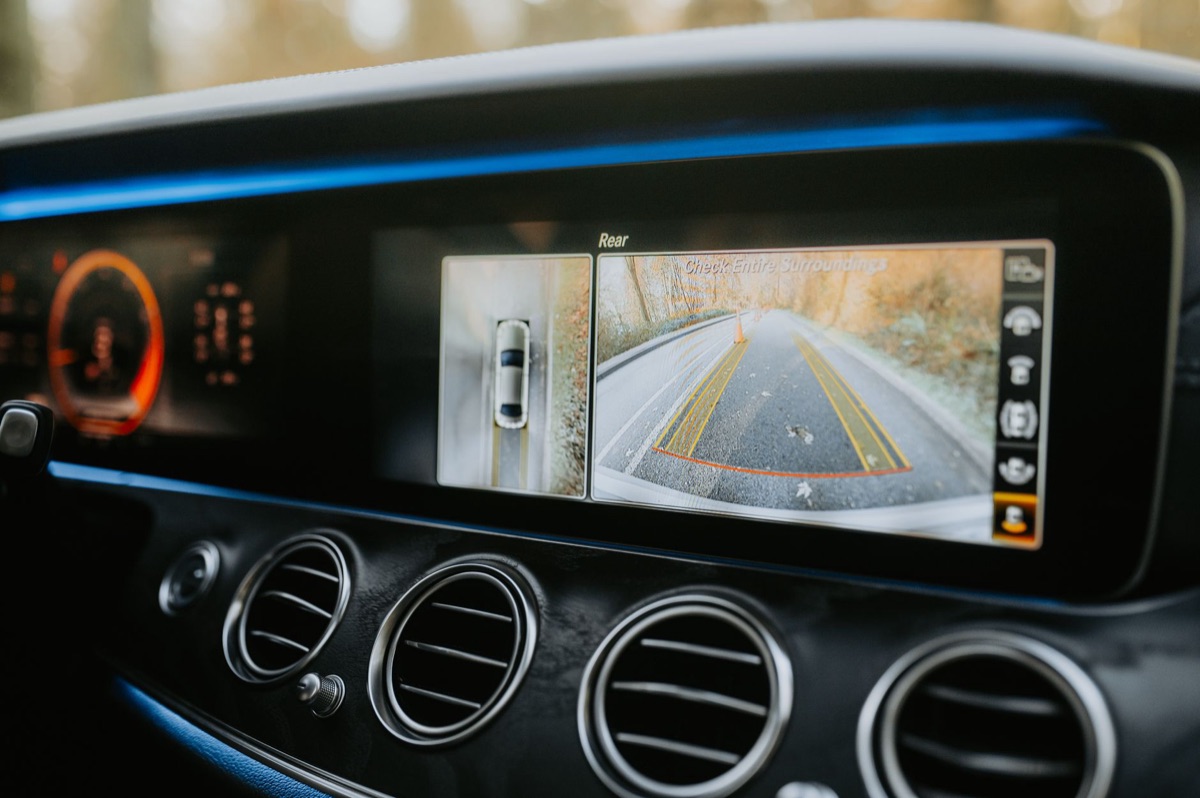
Is there hidden dust on my steering wheel? A heavy rainstorm hits the windshield at 5:30 PM, and as I reach for the door handle, the slight stickiness of the interior reminds me of a week's worth of accumulated grime. The steering wheel, the primary contact point for every driver, often becomes a reservoir for bacteria and skin oils.
According to the Surfrider Foundation, their 2025 Clean Water Report highlights America’s beach bacteria hot spots.
According to the California Air Resources Board, efforts to push for lower-emissions vehicles began in the early 1990s.
To effectively suppress bacteria, you must treat the steering wheel and dashboard as high-priority zones. Because these surfaces are frequently touched, they accumulate oils and skin cells that serve as a breeding ground for microbes.
Use a dedicated interior detailer or a mild soap solution on a microfiber cloth to wipe down the steering wheel, buttons, and gear shifter.
Avoid spraying liquids directly onto the electronics; instead, apply the cleaner to the cloth first to prevent liquid from seeping into the dashboard's circuitry.
| Surface Type | Recommended Tool | Cleaning Method |
|---|---|---|
| Hard Plastic/Dashboard | Microfiber cloth & interior cleaner | Wipe in circular motions |
| Leather Seats | Leather cleaner & applicator brush | Gentle massage into pores |
| Fabric/Upholstery | Vacuum with HEPA filter | Deep suction and agitation |
| Metal/Chrome | Dry microfiber | Buffing to prevent streaks |
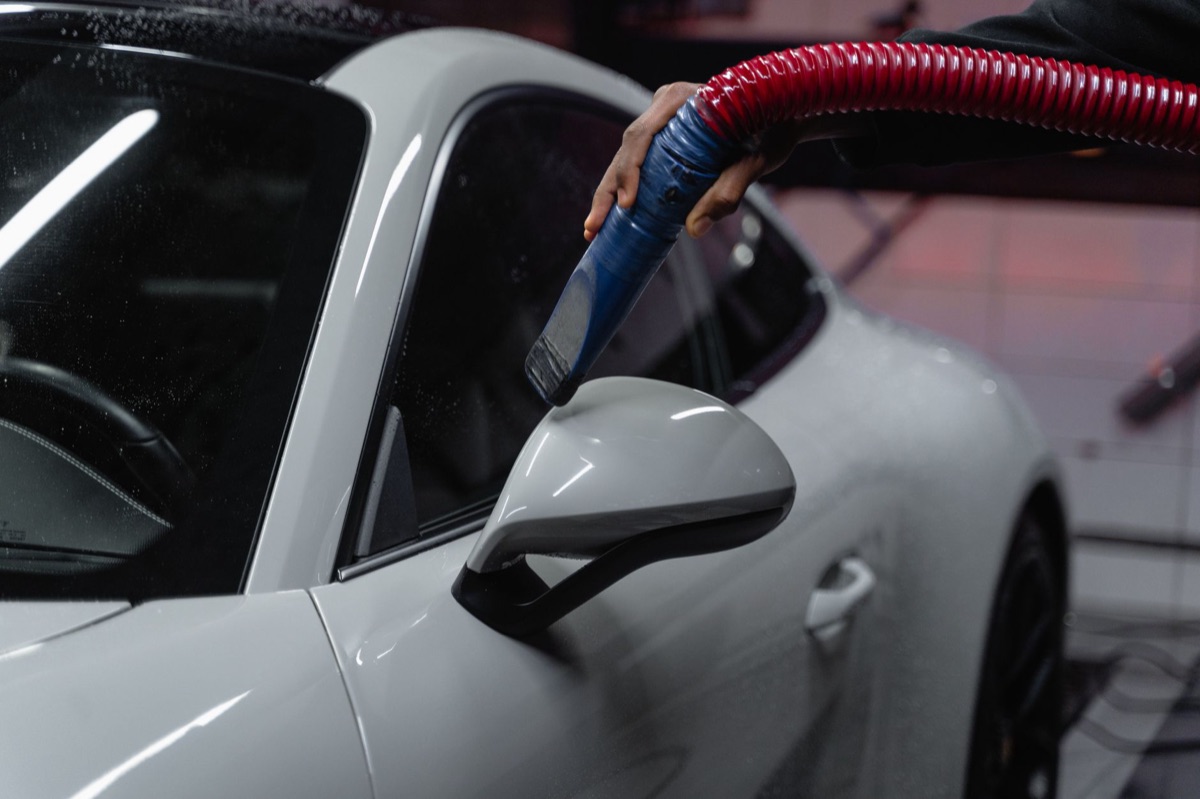
Is my cabin filter affecting the air I breathe? The sun beats down on the hood of the car in the middle of a July afternoon, and the sudden blast of the air conditioner brings a faint, musty scent into the cabin. This smell is often a sign of accumulated dust, pollen, or fungal spores trapped within the ventilation system.
The Surfrider Foundation’s 2025 Clean Water Report Highlights America’s Beach Bacteria Hot Spots provides context on environmental health concerns.
A clean cabin air filter is the first line of defense against airborne bacteria. If the filter is clogged, the HVAC system cannot effectively scrub the air, allowing contaminants to recirculate.
To maintain a healthy environment, replace your cabin air filter every 12,000 to 15,000 miles, or more frequently if you drive in dusty environments. When replacing the filter, ensure the new one is seated correctly to prevent air bypass, which allows unfiltered air to enter the cabin.
- Locate the cabin filter housing, typically behind the glove box in most sedans. 2. Remove the old filter and inspect the housing for debris or dampness. 3. Vacuum out any loose dust or leaves from the empty compartment. 4. Slide the new filter in, ensuring the airflow direction arrow matches the manufacturer's specifications. 5. Reinstall the housing and test the fan at different speeds to ensure a tight seal.
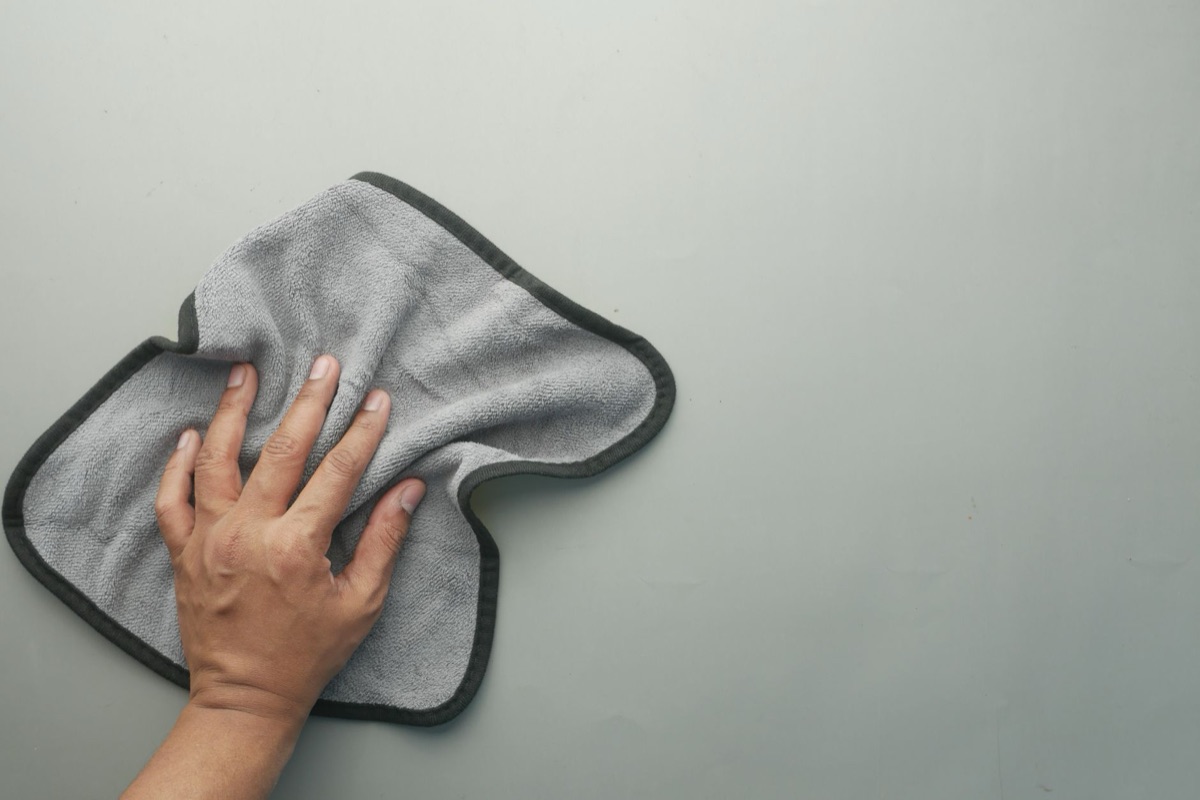
Removing deep-seated odors and moisture
I sat in the driver's seat after a long weekend trip, noticing how the dampness from my rain jacket seemed to have settled into the seat cushion. This lingering moisture is the primary reason why odors develop and why bacteria thrive in a vehicle's interior.
Bacteria and mold require moisture to grow, making seat upholstery and floor mats critical areas for management.
If you spill liquids or deal with wet weather, you must dry the surfaces completely before they can be considered "clean." For deep-seated smells, use an enzyme-based cleaner designed to break down organic matter.
These cleaners are effective because they target the biological sources of odors rather than just masking them with perfume.

The routine for long-term hygiene
The quiet hum of the engine at midnight during a long highway stretch makes me realize how much time I spend in this enclosed space. To prevent the buildup of pathogens, a regular maintenance schedule is more effective than a single, massive cleaning session.
Effective hygiene is about consistency rather than intensity. By establishing a routine, you prevent the "biofilm" of dirt and bacteria from becoming too difficult to remove. A weekly quick-wipe of high-touch surfaces and a monthly deep vacuuming will keep the microbial load low.
* Weekly: Wipe down the steering wheel, gear shifter, and door handles with a disinfectant wipe. * Bi-Weekly: Vacuum all floor mats and seats to remove skin cells and food particles. * Monthly: Clean the dashboard and vent slats to prevent dust-driven bacterial growth. * Seasonally: Perform a deep steam clean of the upholstery and replace the cabin air filter.
Limitations of chemical cleaners
The sun reflects off the polished dashboard, but I notice a slight haze where a heavy-duty cleaner was applied too aggressively. It is important to remember that not every disinfectant is safe for every car material.
It is vital to note that heavy-duty bleach-based cleaners or highly acidic solutions can damage leather, degrade plastics, and cause discoloration of the dashboard. Always test a small, inconspicuous area before applying any new product to your vehicle's interior.
Furthermore, while cleaners kill bacteria, they do not remove the physical source of the problem—like crumbs or hair—which must be vacuumed away first.
When I tried the steps in order, the second one is where I paused longest.
However, this does not apply in every situation.
Related
FAQ
How can I prevent mold from growing in my car?
What should I do if my car smells like old socks?
Related posts

Top-to-Bottom Cleaning Sequence: A Step-by-Step Home Guide
Extend Garment Life: Follow These 5 Laundry Machine Steps
Match Cleaner Chemistry to Mess for a Spotless Home Now

10-Minute Daily Reset: Keep Your Home Pristine All Year
Popular posts
10-Minute Daily Reset: Keep Your Home Pristine All Year
Cleaning Strategy: Slash Your Spring Cleaning Time by 50%

Dust Control Tips: Keep Air Purifiers 20 Inches From Walls
Comments 0