Extend Garment Life: Follow These 5 Laundry Machine Steps
"The secret to laundry that smells fresh and lasts longer isn't a magic detergent—it's mastering the machine you already own."
To get the best results, you must match your cycle to the fabric type, avoid overfilling the drum, and perform regular maintenance to prevent buildup. Following these steps will protect your clothes and extend the life of your appliance.
* Match the cycle to the soil level for optimal energy use. * Proper detergent dosing is crucial for machine lifespan and cleaning power. * Regular maintenance prevents odors and extends the machine's life.
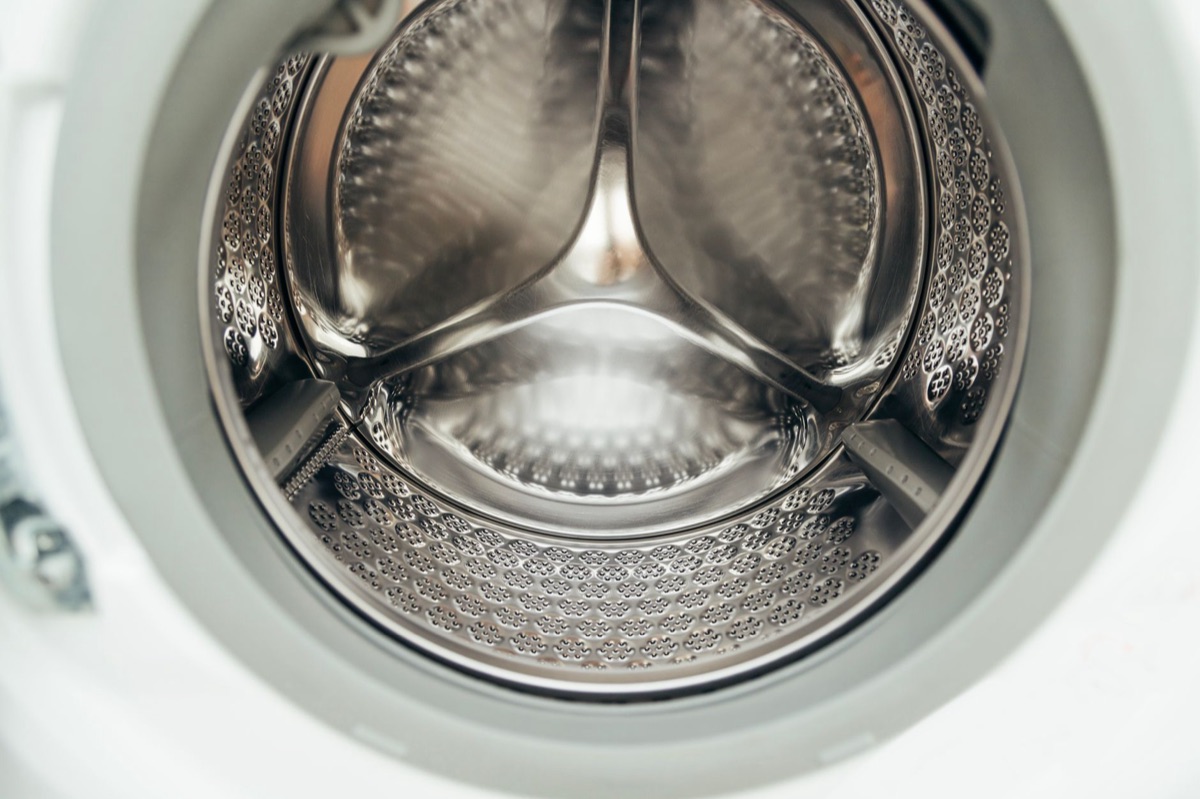
What do I need before I start the wash cycle? The laundry room smells faintly of lavender, but a pile of mismatched socks and a heavy denim jacket sits on the folding table, waiting for a decision. You reach for the detergent, but you pause to check the labels first.
Before you even press "Start," you need to prepare the load to ensure the machine works as intended. First, check the fabric care labels on every item. Mixing delicate silks with heavy towels will lead to friction damage and uneven cleaning.
Load balancing is your first priority. Do not overload the machine; you must ensure clothes can move freely within the drum to allow for proper agitation. If the drum is packed too tightly, detergent won't reach every fiber, and the machine will struggle to rinse.
Pre-treatment is the next step for heavily soiled items. Address heavy stains—like grass or food—before the machine starts by using a stain remover or a localized soak.
For tough grime, soaking garments in a specific solution for 15 to 30 minutes allows the solution to dissolve gunk and germs before the main wash begins.
Finally, select the correct detergent. You must match the product to your machine type—specifically choosing "HE" (High Efficiency) detergent for front-loaders to prevent excessive sudsing.
High-efficiency washers can use significantly less water compared to older models, so using too much soap can lead to a "suds lock" that prevents proper draining.
But preparation is only half the battle; the real work happens once the water starts running.
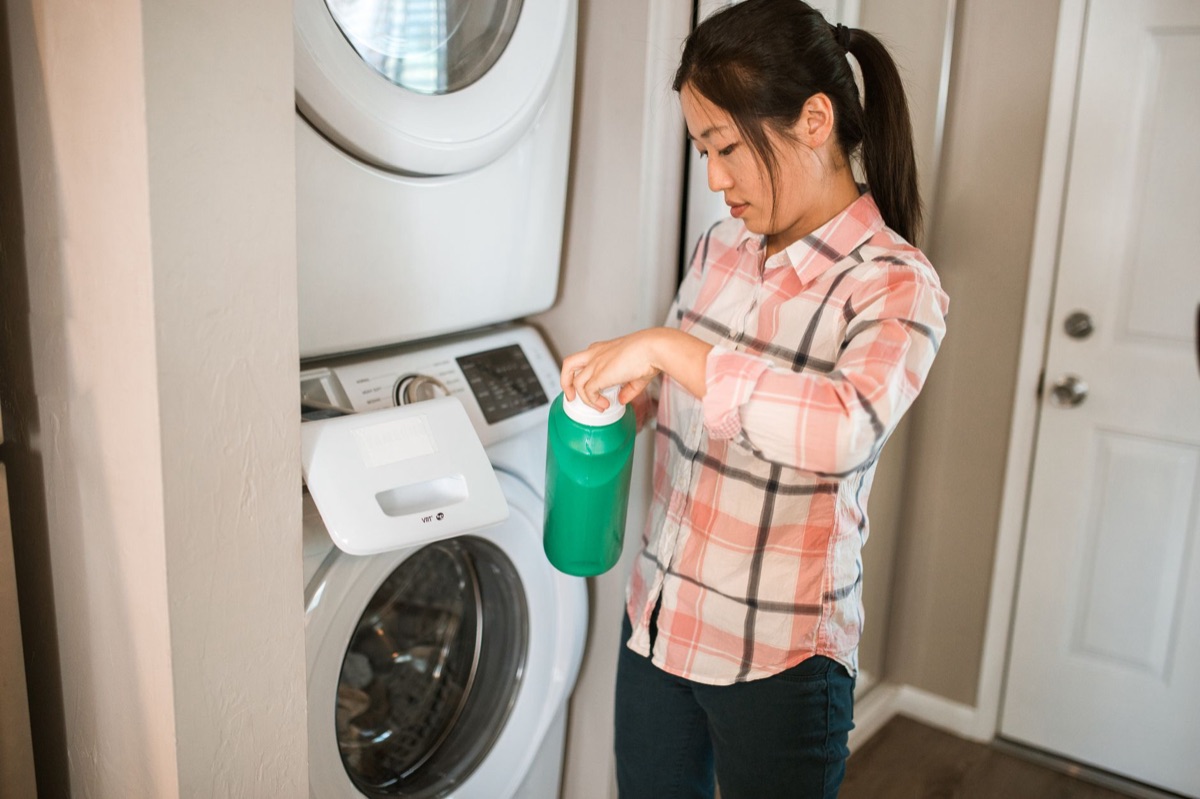
How do I achieve the perfect wash step-by-step? The machine hums to life, a low vibration that you can feel through the floorboards as the water begins to fill the tub. You watch the digital display, wondering if you picked the right setting for this specific pile of laundry.
The first step in a successful wash is selecting the right program. Match the cycle—such as "Quick Wash" for lightly soiled daily wear or "Heavy Duty" for towels and jeans—to the garment type.
Using a heavy-duty cycle for delicate lace will ruin the fabric, while a delicate cycle for muddy work clothes will leave them dirty.
Next, focus on dosing precision. Use the exact amount of detergent recommended for the load size. It is a common misconception that more soap equals cleaner clothes; in reality, too much detergent wastes product and can leave a filmy residue on fabrics and inside the machine's internal components.
Modern machines utilize advanced washing dynamics. Many current models use sensors to detect load weight and water levels, automatically adapting the cycle to the load. Some models can even reduce cycle times by half while cutting energy use by 20%.
While these optimizations are helpful, be aware of cycle duration. While some modern cycles are optimized for speed, older or specific heavy-duty loads might require anywhere from 20 to 110 minutes to complete a full wash and rinse.
However, even a perfect cycle can be ruined by what happens after the spin cycle ends.
Beyond the Wash: Essential Machine Care & Maintenance
The sun hits the laundry room window, illuminating a thinly visible layer of white residue on the edge of the washing machine door. You realize that while the clothes look clean, the machine itself might be hiding a different story.
Preventing mold and odor is a daily necessity. After every wash, leave the door or lid open to allow moisture to evaporate. This prevents the growth of mildew in the gasket—the rubber seal—which is a common culprit for "sour" smelling laundry.
For a deeper clean, you must perform regular maintenance washes. Run a dedicated "Clean Washer" cycle or a hot water cycle with a specialized cleaning agent periodically to remove mineral buildup and detergent residue.
You might notice the machine vibrates heavily during a high-speed spin. This is often due to engineering realities; many residential front-loading washing machines typically have a 25 kg (55 lb) concrete block inside to dampen vibration.
However, if the vibration is excessive, it may be due to an unbalanced load or unlevel feet.
For those hard-to-reach areas, such as the detergent dispenser or the rim of the drum, a more targeted approach is needed. Spray a cleaning solution all over the area and let it sit for 3 to 5 minutes to loosen buildup before wiping it away.
But what happens when the machine stops working quite right?
Troubleshooting Common Washing Machine Issues
The machine suddenly stops mid-cycle, a loud error code flashing on the screen while a puddle of water sits at the bottom of the drum. It is a frustrating moment that usually signals a lapse in routine maintenance.
If you notice a lingering residue or a strange smell, it is often caused by trapped moisture or excessive detergent buildup. This "scrubbed-in" soap can actually trap bacteria against your clothes.
Ineffective cleaning—where clothes come out looking just as dirty as they went in—is usually due to incorrect water temperature or insufficient agitation. If you are using cold water for heavily soiled loads, the detergent may not be activating properly.
Machine noise or violent shaking is another common issue. Always check for an unevenly distributed load or debris, like a loose coin, stuck in the drain pump.
Because high-efficiency washers can use 20% to 60% less of the resources compared to standard top-loaders, they often rely on much higher spin speeds, making balance even more critical.
This volatility is exactly why mastering efficiency is the next logical step.
Maximizing Efficiency: Advanced Usage & Eco-Tips
The laundry room is quiet now, the machine having finished its cycle with a soft chime. You look at the water meter and realize how much effort goes into a single load of laundry.
To maximize efficiency, consider the weight of your laundry. Load size matters significantly for cycle duration; a 3.5 kg load might take significantly longer than a small load if the machine's sensors are trying to balance a heavy, wet mass.
Modern machines are designed for water conservation. Some high-efficiency models can operate using as little as 50 L of water in recycle modes. To save even more, try to consolidate loads to reach a full, but not overfilled, capacity.
For an eco-friendly approach, use cold water whenever possible. Most modern detergents are formulated to work effectively in cold water, which saves a massive amount of energy used for heating.
| Feature | Front-Load Washer | Top-Load Washer |
|---|---|---|
| Water Usage | Generally lower (High Efficiency) | Generally higher |
| Cleaning Action | Tumbling/Gravity-based | Agitator/Impeller-based |
| Space Requirement | Can be stacked | Requires top clearance |
| Main Advantage | Better for delicate fabrics | Faster wash cycles |
How to Execute a Perfect Maintenance Routine
- Empty the Drum: Ensure no stray socks or coins are left in the tub before starting a cleaning cycle.
- Apply Cleaner: Add a specialized washing machine cleaner or 1 cup of white vinegar to the detergent dispenser.
- Select High Heat: Choose the hottest water setting available on your machine to ensure maximum sterilization.
- Run the Cycle: Let the machine run its full programmed cycle without interruption.
- Dry Thoroughly: Once finished, wipe the gasket with a dry cloth and leave the door wide open for at least 2 hours.
FAQ
Q: How often should I clean the machine itself? A: For most households, a deep cleaning cycle once a month is recommended to prevent mold and mineral buildup. If you do laundry daily, you may want to perform a maintenance wash every two weeks.
Q: Can I use regular detergent in a high-efficiency (HE) machine? A: No. Using standard detergent in an HE machine will create excessive suds, which can damage the machine's sensors and electronic components. Always use "HE" labeled detergent for front-loaders.
Q: Why does my laundry smell like mold even after a wash? A: This is usually due to moisture being trapped in the machine. Always leave the door open after a cycle to allow the drum to dry completely.
Q: Is it okay to wash a lot of clothes at once to save water? A: While consolidating loads is efficient, overfilling the machine will lead to poor cleaning results. Clothes need space to move to be properly cleaned.
A Note on Machine Lifespan While these tips will help, every machine has a finite lifespan. If you encounter mechanical failures like a broken drum or a failing motor, it may be time to look into recycling your old unit.
In some regions, consumers may face a small fee when purchasing new electronic devices to account for environmental impact, similar to how some countries managed appliance recycling in the past. Always follow the manufacturer's manual for specific troubleshooting to avoid voiding your warranty.
Related posts

Match Cleaner Chemistry to Mess for a Spotless Home Now

10-Minute Daily Reset: Keep Your Home Pristine All Year
Cleaning Strategy: Slash Your Spring Cleaning Time by 50%
Seasonal Closet Organization: 3 Pro Steps to Maximize Space
Popular posts
10-Minute Daily Reset: Keep Your Home Pristine All Year
Cleaning Strategy: Slash Your Spring Cleaning Time by 50%

Dust Control Tips: Keep Air Purifiers 20 Inches From Walls

Comments 0