Cleaning Strategy: Slash Your Spring Cleaning Time by 50%
Stop cleaning in circles: master the "Top-to-Bottom, Inside-Out" methodology to slash your spring cleaning time by 50% while achieving professional-level results.
Mastering a massive spring clean requires a shift from "scrubbing everything" to a strategic, phased approach. By following a strict top-to-bottom flow and separating your tasks into decluttering, deep cleaning, and maintenance, you prevent the frustration of re-cleaning surfaces.
* The Golden Rule: Always clean from the highest point to the lowest (ceiling to floor) to prevent re-dirtying cleaned surfaces. * The Zonal Strategy: Divide tasks into "Wet Zones" (Kitchen/Bath) and "Dry Zones" (Bedroom/Living) to manage humidity and dust migration. * The Declutter-First Principle: Never clean a space before sorting; organizing is 70% of the work, cleaning is the remaining 30%. * The Efficiency Loop: Use a "Dry-to-Wet" sequence to prevent mud-like sludge formation on floors.
How do I plan a massive spring cleaning without feeling overwhelmed?
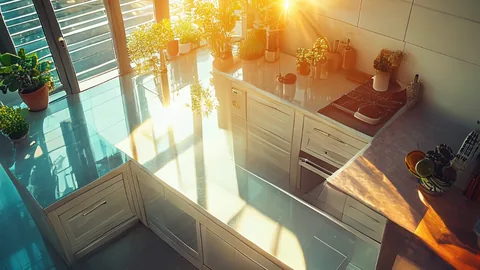
The sun hits the dust motes dancing in a sunbeam at 9:00 AM, revealing layers of neglect on the bookshelf. You look at the pile of laundry, the greasy stove, and the cluttered guest room, feeling the urge to just sit down and order takeout instead.
The secret to not burning out is a 3-phase framework. Phase 1 is Decluttering: you must sort items into Discard, Donate, or Keep categories before a single sponge touches a surface. Phase 2 is Deep Cleaning: this is the heavy-duty scrubbing of surfaces.
Phase 3 is Maintenance: the final polish and floor work.
To prevent mental fatigue, use time-blocking. Allocate two hours for "Heavy Duty" tasks like scrubbing baseboards and four hours for "Light Dusting" across multiple rooms.
Before you head to the local hardware store, perform an inventory audit of your current detergents to avoid buying unnecessary duplicates.
Beginners often ask if they should do the whole house at once or one room at a time. Completing one room fully provides better psychological momentum. It gives you a "win" you can physically see, which fuels the energy needed for the next zone.

What is the most efficient step-by-step sequence for a full house?
You stand in the doorway of a living room, holding a spray bottle, staring at a messy coffee table. You want to wipe the table first, but if you do, the dust from the ceiling fan will just land right back on the clean wood.
The most efficient sequence follows a logical descent. Start with The Dust Descent: clean ceiling fans, light fixtures, and top shelves first. Gravity is your enemy if you don're plan ahead.
Next comes Window & Wall Verticality: clean windows, blinds, and wall spots before moving to horizontal surfaces.
The third step is The Mid-Level Sweep: dusting electronics, books, and decor. The absolute last step must be The Floor Finale: vacuuming and mopping. If you mop before you dust the shelves, you will simply be cleaning the dust that fell to the floor.
Always follow the "Inside-Out" rule. Clean the interior of cabinets and drawers before wiping the exterior. If you wipe the outside of a cabinet first, you'll likely knock dust into the clean surface when you reach inside to organize.
How should I tackle the "Wet Zones" (Kitchen & Bathroom) differently?
The smell of lemon cleaner hits you in the hallway, but the heavy scent of bleach from the bathroom reminds you that the "wet zones" require a different level of intensity. These rooms are high-traffic and high-bacteria, requiring a specific tactical approach.
In the kitchen, follow a degreasing order: Top cabinets → Backsplashes → Countertops → Sink → Floor. This ensures grease doesn't drip from a higher surface onto a lower one you've already cleaned.
The bathroom requires a "Pre-soaking" strategy. Apply cleaners to the tub, toilet, and tiles first. Let the chemicals sit for 10-15 minutes to break down lime own and soap scum. Once the dwell time is complete, scrub and rinse.
Don't forget the Appliance Deep Dive. The oven, fridge, and dishwasher are the "hidden" cores of a successful spring clean. Because these zones deal with food and biological matter, focus on sanitization rather than just dusting.
Use stronger, targeted cleaners here to ensure bacteria are neutralized.
How doly manage the "Dry Zones" (Bedroom & Living Room) effectively?
You pull back the heavy duvet in the master bedroom, and a cloud of fine white dust rises, catching in your throat. The bedroom isn't just a place to sleep; it is a massive dust trap that requires a textile-first approach.
The first step in a bedroom is Bedding & Textiles. Wash all linens, curtains, and rugs as the very first task. This removes the bulk of the allergens from the environment before you start wiping surfaces.
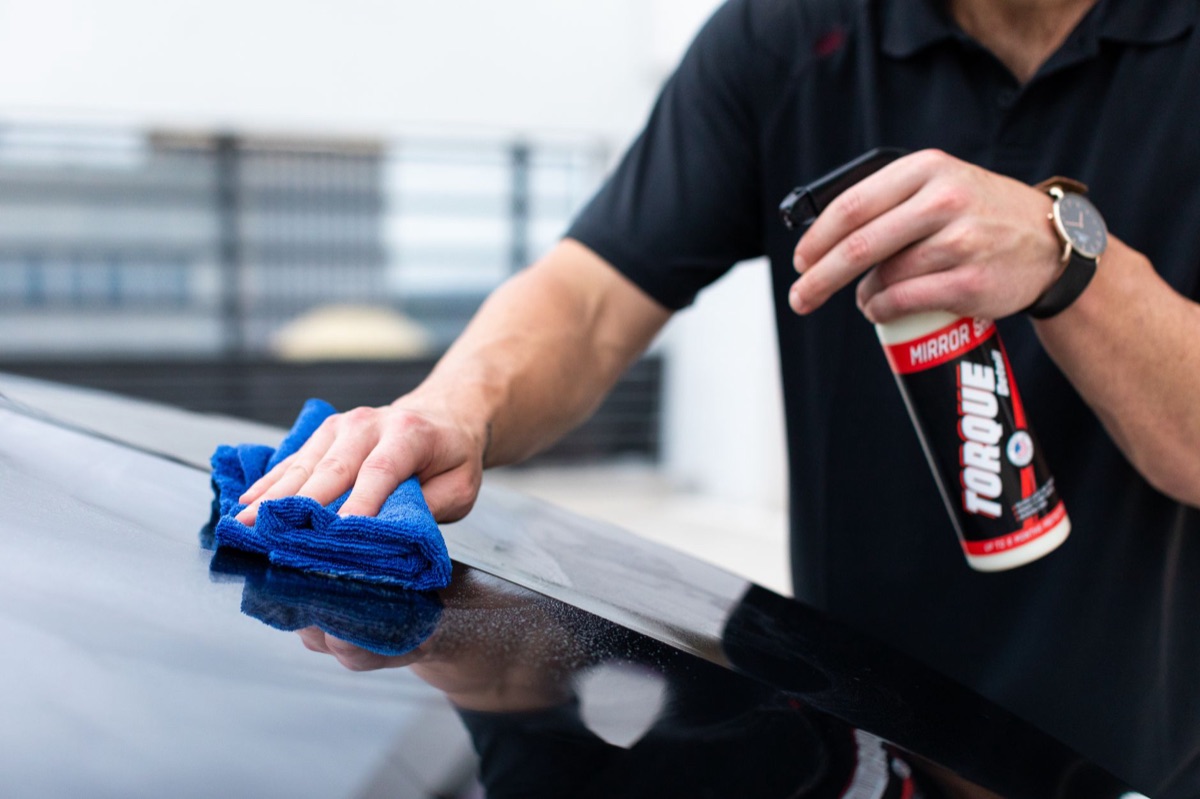
Next, conduct a Dust-Magnet Audit. Focus on electronics like TVs and PCs, using microfiber cloths rather than paper towels to prevent static-induced dust buildup. For upholstery, use vacuum attachments to pull dust from deep within the fabric.
Closet Management is the final piece of the dry zone. Use the "Seasonal Swap" technique: sort through clothes to decide what to store or donate, then clean the storage bins while they are empty.
Finally, focus on Air Quality: dust the vents and replace your HVAC filters to ensure the clean air stays clean.
What are the common mistakes that ruin cleaning efficiency?
You finish mopping the kitchen floor, feeling proud of the shine. Suddenly, you realize you forgot to wipe the top of the refrigerator. As you reach up, a clump of dust falls directly onto your wet, glistening floor.
The "Circular Motion" trap is a common efficiency killer. Wiping in circles often just redistles dust around the surface. Instead, use straight lines or an "S-pattern" to move dust from one side of a surface to the other.
The "Wet Floor" error is equally frustrating. Never mop a room before it is fully decluttered and vacuumed. If there is still debris on the floor, your mop will simply turn that dust into a muddy sludge that is harder to remove.
Lastly, never mix chemicals. Mixing bleach with ammonia or vinegar creates toxic gases. "More soap" does not mean a cleaner house; it often just leaves a sticky residue that attracts even more dust.
| Task Type | Primary Goal | Key Tool/Method | | :---nasal-distinction-table | Decluttering | Space Creation | Sorting Bins (Keep/Donate/Discard) | | Dry Zone | Dust Management | Microfiber & Vacuum Attachments | | Wet Zone | Sanitization | Pre-soaking & Chemical Dwell Time | | Floor Work | Final Polish | Vacuuming → Mopping |
Cleaning Efficiency Checklist
- Sort & Declutter: Clear the surfaces so you can actually clean them. 2. Top-Down Dusting: Start at the ceiling and work toward the floor. 3. Wet Zone Scrubbing: Apply cleaners to bathrooms/kitchens and let them sit. 4. Textile Refresh: Wash all bedding and curtains. 5. The Floor Finale: Vacuum everything, then mop.
#
FAQ
봄맞이 대청소를 효과적으로 끝내려면 어떤 접근 방식을 사용해야 하나요?
대청소를 압도당하지 않고 계획하려면 어떻게 해야 하나요?
청소 효율을 높이기 위한 구체적인 청소 순서가 있나요?
Related posts

10-Minute Daily Reset: Keep Your Home Pristine All Year
Seasonal Closet Organization: 3 Pro Steps to Maximize Space

Plastic Science: Choose Tools Built for Tough Cleaning Jobs
Dust Control Tips: Keep Air Purifiers 20 Inches From Walls
Popular posts
10-Minute Daily Reset: Keep Your Home Pristine All Year
Dust Control Tips: Keep Air Purifiers 20 Inches From Walls
Kitchen Grease Removal: 3 Natural Tools for Fast Results
Comments 0