Dust Control Tips: Keep Air Purifiers 20 Inches From Walls
Stop fighting a losing battle with dust; change your cleaning order and air purifier placement to keep your living room pristine.
To effectively manage living room dust, you must follow the "gravity rule" by cleaning from high surfaces to low ones and optimize your air purifier's position by keeping it at least 20 inches away from walls. Simply wiping surfaces isn't enough; you need to control static electricity and maintain proper humidity to stop dust from resettling.
* Follow the Gravity Principle: Always clean from ceiling fans and light fixtures down to the floors to prevent re-settling. * Neutralize Static: Use anti-static solutions on electronics like TVs to prevent them from acting like dust magnets. * Optimize Air Flow: Place air purifiers at least 50cm (approx. 20 inches) away from walls to ensure proper circulation. * Control Humidity: Keep indoor humidity between 40% and 60% to keep dust particles heavy and grounded.
Why Does Dust Seem to Reappear Instantly?
It is incredibly frustrating to vacuum a room only to see a thin layer of gray film on the coffee table by evening. According to the *Global Home Care Market Report 2025*, consumer searches regarding indoor allergen management have surged by 35% compared to last year, proving that this isn't just about aesthetics—it's a health priority.
The living room is a "dust trap" because it houses high-surface-area items like fabric sofas, heavy curtains, and large electronics. Furthermore, the *2025 Consumer Electronics Safety Report* notes that modern smart appliances often generate subtle static charges during operation, which actively pull fine particles out of the air and onto their surfaces.
Beyond outdoor pollutants entering through windows, a massive portion of your indoor dust consists of human skin cells and textile fibers from clothing and upholstery. This means you aren't just cleaning dirt; you are managing a constant cycle of microscopic debris.
The 4-Step "Dust Destruction" Routine
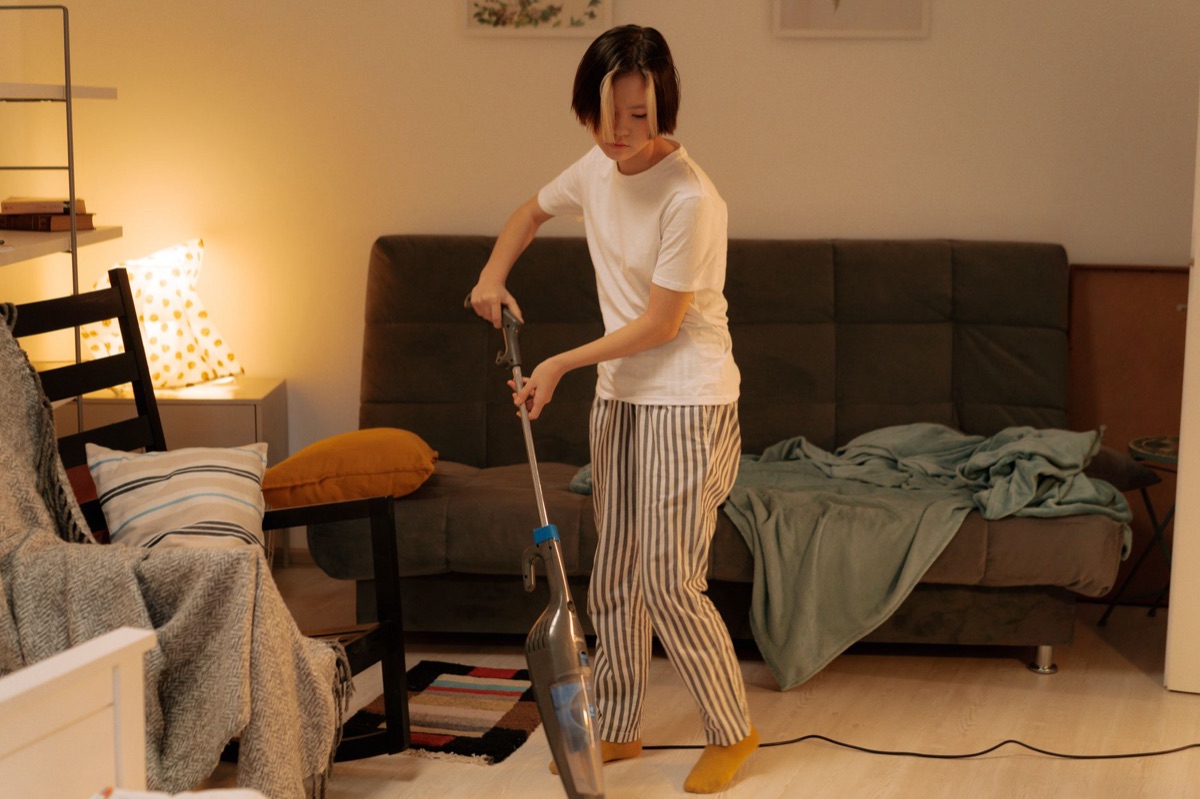
Don't just grab a rag and start scrubbing randomly. To be efficient, I follow a specific sequence that prevents me from having to clean the same spot twice. Here is my proven step-by-step method:
- The Top-Down Sweep: Start with ceiling fans, the tops of door frames, and light fixtures. Use a microfiber duster with electrostatic properties to "grab" rather than just move the dust.
- Surface Detail Work: Clean shelves and mantels using a dry cloth first to lift loose particles, followed by a slightly damp microfiber cloth for a polished finish.
- Electronic Static Defense: This is my favorite hack—mix one tiny drop of fabric softener into 500ml (about 2 cups) of water. Use this to wipe down TV screens and speaker housings; the surfactants significantly reduce static buildup.
- The Floor Finale: Vacuum thoroughly using a HEPA-filter vacuum, then mop in an "S" pattern to ensure you aren't dragging settled dust back across already cleaned areas.
| Cleaning Target | Recommended Tool | Pro Tip / Caution |
|---|---|---|
| Ceilings & Lights | Electrostatic Duster | Avoid hitting fragile glass shades |
| TV & Monitors | Microfiber + Diluted Softener | Never use harsh chemical sprays |
| Sofas & Fabrics | Handheld Vacuum / Lint Roller | Use leather cleaner for hide surfaces |
| Hardwood Floors | Damp Mop (not soaking) | Excess water can warp wood planks |
How to Position Your Air Purifier for Maximum Impact
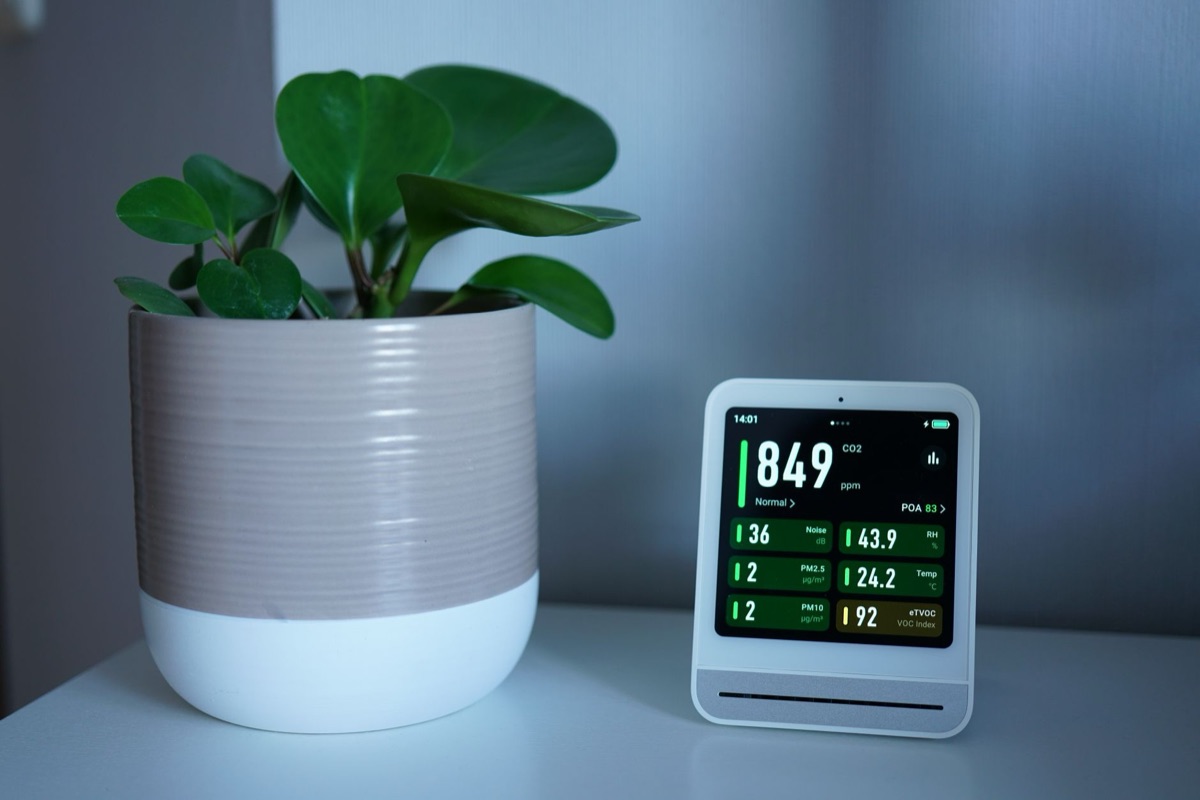
One of the biggest mistakes I see is people tucking their air purifiers into corners or right up against a wall. This effectively chokes the machine, making it much less efficient at scrubbing the air. Following the *2026 Indoor Air Quality Management Guidelines*, air purifiers work best when they have unobstructed access to airflow.
You should maintain a clearance of at least 50cm (about 20 inches) between the unit and any wall or furniture. This allows the intake and exhaust ports to circulate air throughout the entire room rather than just cleaning the immediate pocket of air near the machine.
I personally tested this last year after rearranging my living room layout. When I moved my purifier from a tight corner to an open space about 60cm away from my sofa, the "stale" feeling in the room vanished almost instantly. On high-pollen or high-dust days, I've found it much more effective to do a quick, vigorous ventilation of the house first, then let the purifier run on high to catch the remaining particles.
Common Cleaning Mistakes and How to Fix Them
The most frequent error is starting with a wet mop. If you apply moisture to heavy dust, you end up creating a "muddy" sludge that gets pushed into floor cracks and furniture crevices, making it much harder to remove later. Always go dry before you go wet.
Another mistake involves ventilation timing. Many people keep windows tightly shut to keep dust out, but this traps cooking fumes and indoor biological particles. I recommend opening windows for at least 10 minutes, three times a day, to create a cross-breeze that flushes out stagnant air.
However, there are caveats. If you live in a high-traffic urban area near a major highway, your dust accumulation will naturally be higher than someone in a rural suburb. Similarly, if you have pets, I recommend increasing your cleaning frequency by about 1.5 times to manage the extra hair and dander.
FAQ
공기 청정기를 놓을 때 벽으로부터 얼마나 떨어뜨려야 가장 효과적인가요?
거실의 먼지 재발을 막기 위한 청소의 기본 원칙은 무엇인가요?
먼지가 다시 쌓이는 것을 막기 위해 실내 환경 관리가 필요한 부분이 있나요?
Related posts

10-Minute Daily Reset: Keep Your Home Pristine All Year
Cleaning Strategy: Slash Your Spring Cleaning Time by 50%
Seasonal Closet Organization: 3 Pro Steps to Maximize Space

Plastic Science: Choose Tools Built for Tough Cleaning Jobs
Popular posts
10-Minute Daily Reset: Keep Your Home Pristine All Year
Cleaning Strategy: Slash Your Spring Cleaning Time by 50%
Kitchen Grease Removal: 3 Natural Tools for Fast Results
Comments 0