Sanitizing car: 10 minute car sanitizing guide tips
"A clean cabin is the foundation of a pleasant driving experience, yet many drivers struggle to find the time for deep cleaning."
A 10 minute car sanitizing routine allows you to maintain a hygienic environment without disrupting your daily schedule. This guide focuses on efficient surface cleaning, targeted germ removal, and quick organizational habits to keep your cabin fresh.
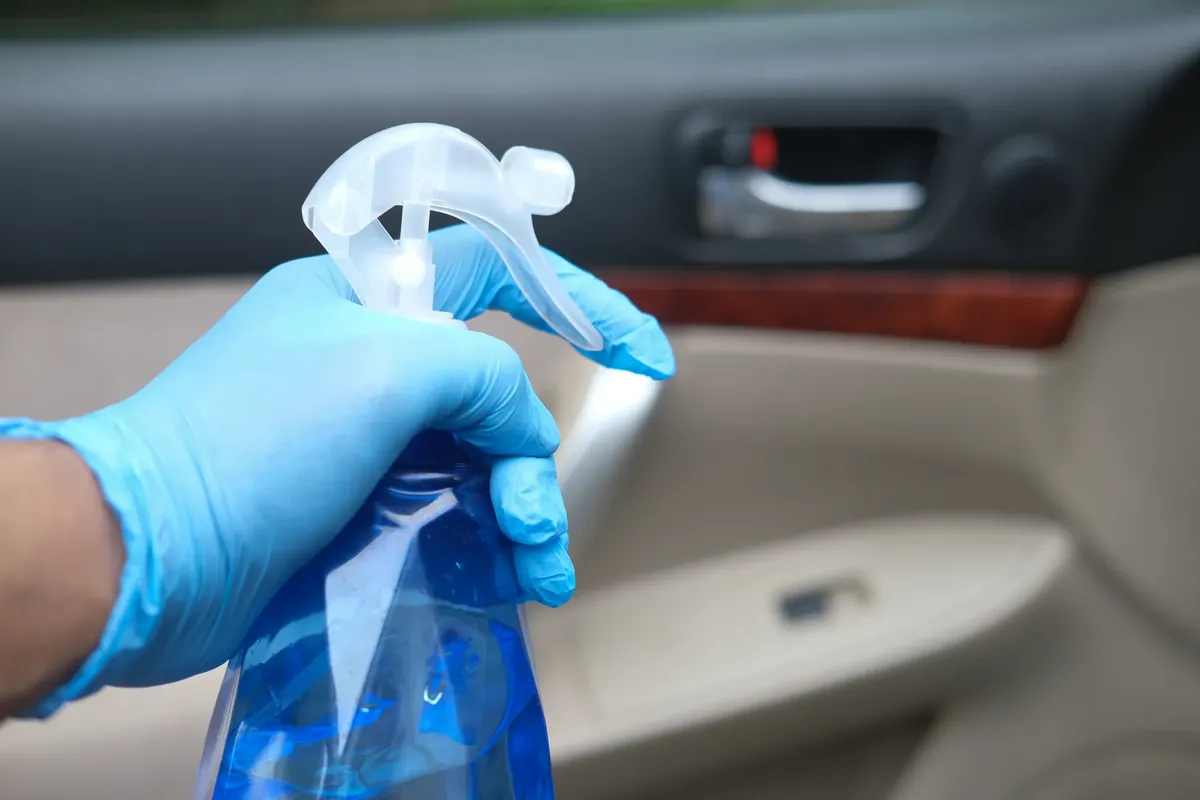
You will learn how to manage high-touch surfaces, utilize quick car germ removal techniques, and maintain a fast interior cleaning pace.
How can I start a 10 minute car sanitizing routine?
As the morning sun warms the dashboard, you grip the spray bottle to begin your quick sanitizing routine.
You stand at the driver's side door, holding a microfiber cloth and a spray bottle. The sun hits the dashboard as you prepare to wipe down the steering wheel and gear shifter.
Effective 10 minute car sanitizing begins with identifying high-touch surfaces that accumulate bacteria throughout the day. Focus first on the steering wheel, gear shift, and door handles to ensure these primary contact points are addressed immediately.
You can achieve a quick car germ removal by using compatible disinfectant wipes on these specific areas. This approach ensures that the most used parts of the vehicle receive the most attention during a limited window.
How can I best kill germs on my car surfaces? A hand reaches for the dashboard, wiping away a thin layer of dust with a damp cloth. The scent of a clean cabin begins to fill the small space.
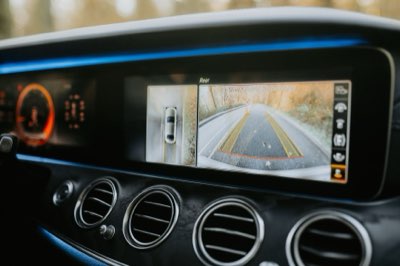
When looking for the best car germ killing tips, prioritize using cleaners that are safe for your specific upholstery and plastic materials. Avoid over-saturating electronic screens or buttons, which can lead to damage or residue buildup.
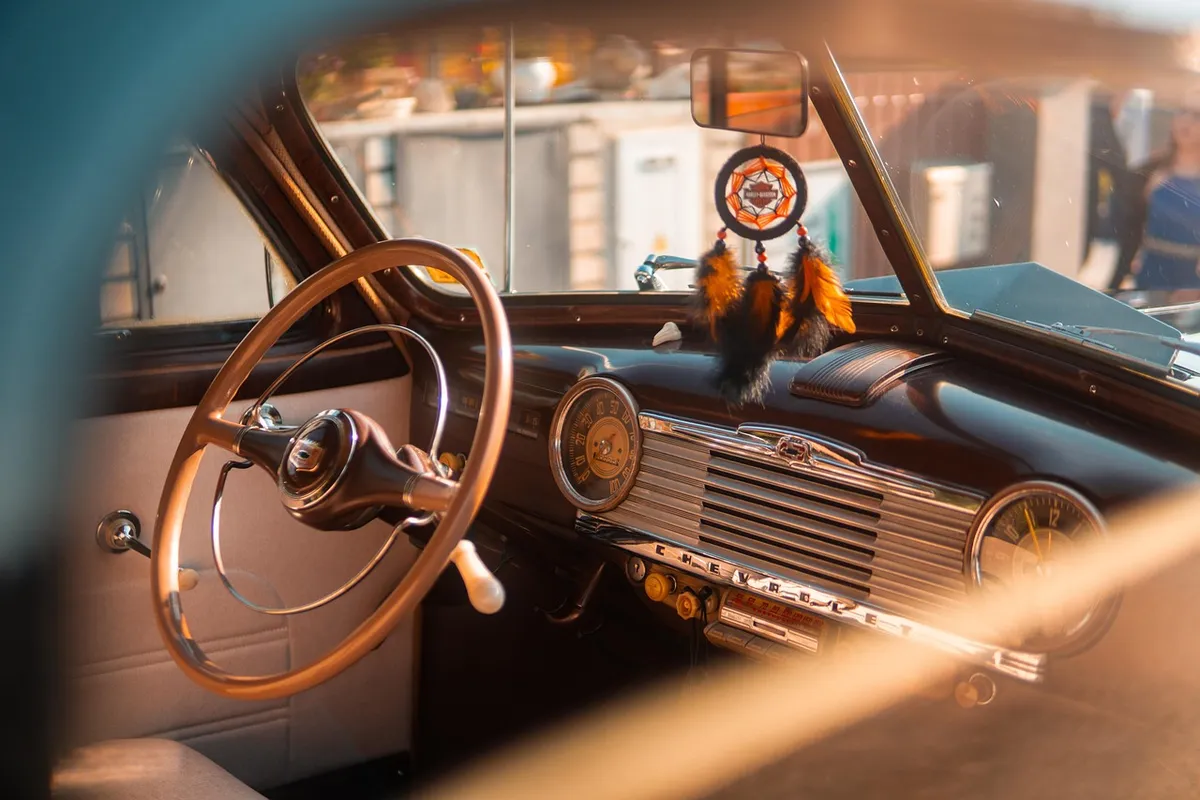
Instead, apply the cleaning agent to a cloth first rather than directly onto the dashboard to control moisture. This method prevents liquid from seeping into delicate switches while still providing a thorough clean.
How do I perform a fast interior cleaning?
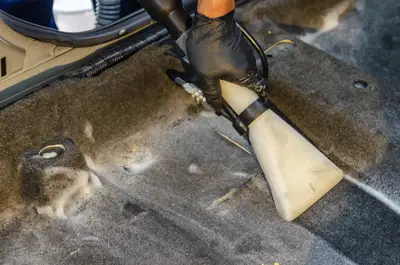
The passenger seat is pulled forward, revealing a small amount of debris on the floor mat. You move quickly to clear the space before moving to the next area.
Performing a fast interior cleaning requires a systematic movement from the top of the cabin to the bottom. Start with the dashboard and console, then move to the seats, and finish with the floor area.
This downward workflow prevents dust and debris from falling onto surfaces you have already cleaned. By following this logical path, you maintain momentum and ensure no section is overlooked during your brief session.
Can I keep up my car cleaning routine while driving? The driver settles into the seat, checking the rearview mirror as the engine starts. The routine is finished, leaving the cabin feeling much more refreshed.
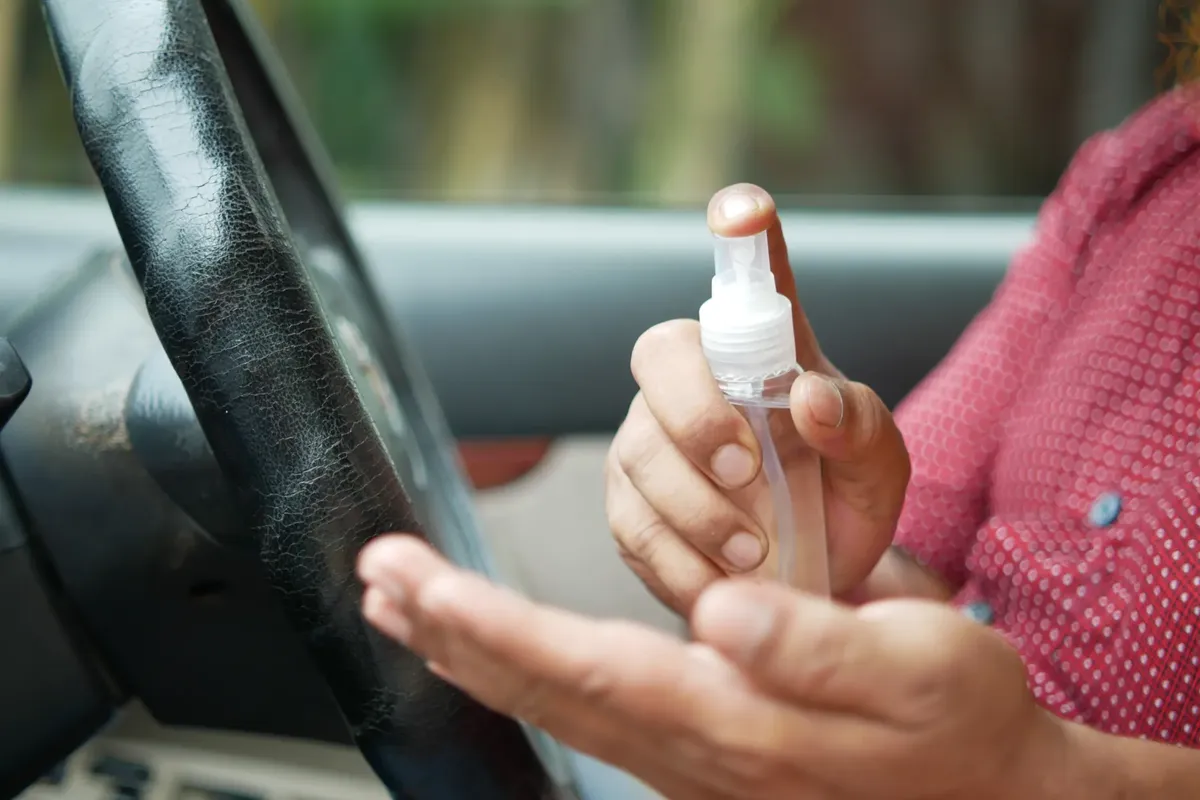
A consistent car bacteria routine is easier to maintain when you integrate small cleaning tasks into your regular habits. For example, clearing out trash or wiping down a smudge right after a trip prevents buildup from becoming difficult to manage.
While you cannot perform deep cleaning while the vehicle is in motion, keeping supplies in the glove box makes it easy to act during stops. Keeping the environment tidy helps prevent the spread of germs across various surfaces.
What is the guide to effective surface management?
You grab a small handheld vacuum from the trunk to clear the crevices of the center console. The task feels much lighter when you have the right tools at hand.
This guide focuses on the reality of modern driving where time is often limited. Successful sanitization relies on the quality of the cleaning agent and the technique used on different textures.
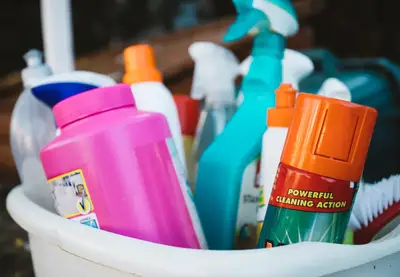
For instance, leather requires different care than cloth, so always check your manual before applying heavy chemicals. A well-managed cabin stays cleaner longer when you treat the surfaces with respect and use appropriate tools.
| Task Type | Focus Area | Primary Tool |
|---|---|---|
| High-Touch | Steering & Knobs | Disinfectant Wipes |
| Large Surface | Dashboard & Console | Microfiber Cloth |
I found that using a damp cloth for the dashboard first made the subsequent steps much easier to manage.

A limitation of this routine is that it does not address deep-seated odors or heavy stains in the upholstery, which may require professional detailing or more intensive cleaning methods.
- How can I start a 10 minute car sanitizing routine?
- How can I best kill germs on my car surfaces?
- How do I perform a fast interior cleaning?
The same subject is also called speedy car disinfection.
This part also covers easy car interior clean.
This part also covers how to sanitize car fast.
best car germ killing tips
Related
- Washing machine usage tips for appliance lifespan guide
- Car dust how to remove fine dust from your car interior 1
When should I apply cleaning agents for best results in the clean cabin? Applying cleaning agents to a cloth before touching the dashboard ensures moisture control, which protects sensitive electronic components. This precaution is vital when seeking the best car germ killing tips for various materials. The damp cloth technique, initially used on the dashboard, simplifies subsequent steps in the fast interior cleaning process.
What is the condition for maintaining a consistent car bacteria routine? Maintaining a consistent car bacteria routine is facilitated by integrating small cleaning tasks into existing driving habits. Clearing small pieces of trash or wiping a visible smudge immediately after a drive prevents minor issues from escalating into larger maintenance problems within the clean cabin. Keeping cleaning supplies accessible aids this proactive maintenance.
The microfiber cloth proves effective for large surfaces like the dashboard and console when paired with the correct cleaning agent. This comparison highlights the difference between tools used for targeted germ removal versus general surface wiping.
When performing the fast interior cleaning, the downward workflow from top to bottom prevents newly cleaned surfaces from accumulating fresh dust or debris. This systematic approach supports the goal of a consistently clean cabin environment.

Comments 0