Cleaning Routine Tips: Quick move cleaning routine guide
"The average brushing time for individuals is between 30 seconds and just over 60 seconds."
A quick move cleaning routine focuses on high-impact areas to prepare a space efficiently when time is limited. This guide offers a rapid home decluttering approach to manage surfaces and essential hygiene during a transition.
You should prioritize interdental spaces and visible surfaces, while noting that a ten-minute window cannot replace a deep professional cleaning.
How can you manage a quick move cleaning routine?

As the afternoon sun streams into the empty apartment, I grip a damp rag and begin cleaning the dusty window sills with frantic strokes.
A person stands in a bare living room, holding a small microfiber cloth and a spray bottle. They move quickly from the window sill to the door frame, wiping away dust in short, purposeful strokes.
A quick move cleaning routine involves identifying the most visible surfaces that require immediate attention before moving in or out. Focus on clearing dust from flat surfaces and wiping down touchpoints like doorknobs or light switches.
Because 40% of tooth surfaces are interdental and require specialized care, applying a similar logic to household surfaces means targeting corners and crevices where dust accumulates.
Effective rapid home decluttering requires a strategy that moves from top to bottom to prevent re-soiling. Start with high shelves, move to countertops, and finish with the floor. This method ensures that gravity works in your favor during the transition.
What are the steps for a ten minute deep clean?
A person grabs a handheld vacuum and runs it along the baseboards of a hallway. They quickly switch to a damp cloth to wipe a single smudge off a glass door, then move to the next room.

To execute a ten minute deep clean, follow these three steps:
- Dust high surfaces first to let particles fall to the floor. 2. Wipe down primary contact points such as handles and switches. 3. Perform a quick sweep or vacuum of the central walking paths.
I once tried this method when moving between apartments, and it helped clear the visual clutter in minutes. A final check involves looking at the room from the doorway to ensure no large debris remains.
Why is a ten minute house reset different from full cleaning?
A person looks at a clock on the wall, then at a stack of moving boxes. They pick up a single stray item, place it in a box, and step back to survey the small area of cleared space.
A ten minute house reset is a surface-level maintenance task rather than a comprehensive sanitization. While a professional deep cleaning might start at $175, this routine is meant for immediate visual improvement.
It is a tool for managing chaos, not for removing deep-seated grime or addressing structural cleanliness.
A quick move cleaning routine provides a temporary solution to keep a space presentable. It differs from a full clean because it does not address hidden areas or deep stains.
How can you achieve effective pre move tidy up tips?
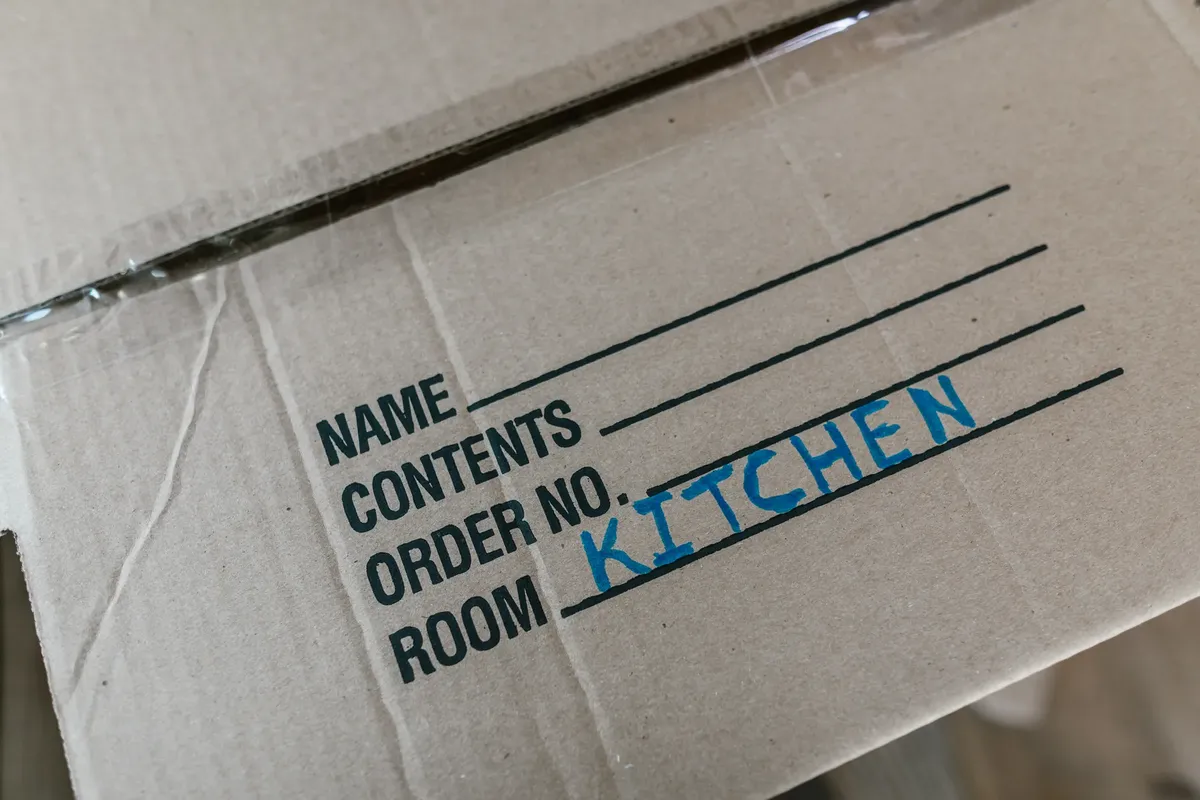
A person gathers loose items from a countertop and places them into a single organized bin. They move to the next surface, clearing the space of clutter to reveal the clean surface underneath.
Effective pre move tidy up tips rely on the principle of containment. Instead of trying to organize every small item, place loose objects into designated bins or boxes to clear the visual field. This allows you to see the actual state of the surfaces you are cleaning.
Using a ten minute house reset technique, you can clear a room of small clutter to prepare for the next stage of moving. This keeps the momentum of the move going without getting bogged-down in micro-details.
What are the limits of a rapid home decluttering method?
A person reaches into a tight corner with a small brush, attempting to clear out dust that a larger cloth cannot reach. They realize the dust is still present in the deep crevices of the floorboard.
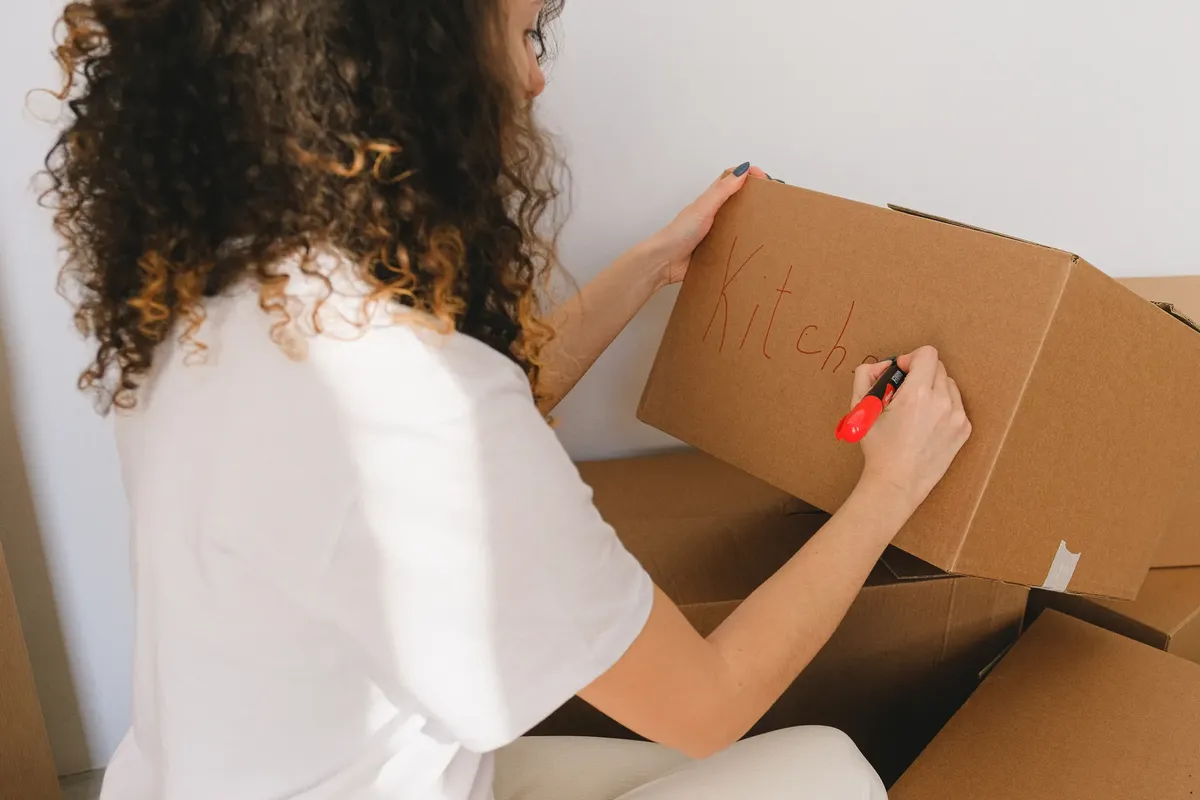
A limitation of this method is that it cannot reach deep into crevices or specialized areas. For example, a toothbrush cannot reach between the teeth and only removes about 50% of plaque from the surface. Similarly, a quick wipe cannot remove dirt trapped in deep cracks or heavy stains.
| Method | Focus | Limitation |
|---|---|---|
| Quick Routine | Surface visibility | Cannot reach deep crevices |
| Deep Cleaning | Total removal | Requires significant time |
- How can you manage a quick move cleaning routine?
- What are the steps for a ten minute deep clean?
- Why is a ten minute house reset different from full cleaning?
The same subject is also called Fast moving house prep.
This part also covers Easy move cleaning steps.
This part also covers Moving day quick clean.
Related
How does the average brushing time relate to quick cleaning?
The average brushing time for individuals is between 30 seconds and just over 60 seconds, a timeframe that illustrates the difference between surface attention and thorough care.
Just as the average brushing time suggests a minimum duration for oral hygiene, a quick move cleaning routine prioritizes immediate visual impact over comprehensive sanitization.
This comparison highlights that while a short burst of effort can manage visible clutter, it cannot substitute for a complete process.
What conditions necessitate a full cleaning over a quick reset?
A full cleaning becomes necessary when the grime is deep-seated or when structural cleanliness is required. The quick move cleaning routine is designed for temporary presentation, not for removing heavy stains or addressing hidden areas.
If the dirt accumulation exceeds what a quick wipe can manage, the limitations of the rapid home decluttering method become apparent. Furthermore, if the debris is trapped in deep cracks, the surface-level maintenance task will prove insufficient.
When considering hygiene, the average brushing time emphasizes the need for consistent, dedicated effort. Similarly, the quick routine’s focus on visible surfaces means that areas requiring specialized attention, like interdental spaces, are overlooked.
This difference in scope dictates when a ten-minute reset is adequate versus when a deeper process is mandated.





Comments 0