Why should we consider biodegradable options?
"Biodiesel is the only fuel allowed in some North American national parks because spillages will completely bio-degrade within 21 days."
Transitioning to eco-friendly habits often begins with understanding how substances interact with the natural world. This guide explores how to implement sustainable practices through informed choices and natural alternatives.
You will learn about the importance of biodegradable options, ways to manage waste, and the necessity of understanding environmental impacts when choosing fuels or cleaning methods.

* Understand the necessity of biodegradable substances. * Manage waste and recycling limitations. * Recognize the impact of fuel choices on the environment. * Acknowledge the limitations of biological degradation.
Why should we consider biodegradable options?
A hand brushes against a leaf in a pristine park where natural processes take priority. Selecting substances that break down easily is essential for preserving fragile ecosystems. Using products that leave no lasting footprint ensures that the ground remains clean for future generations.
Biodegradable materials are vital because they return to the earth without leaving toxic residues. For instance, in certain North American national parks, biodiesel is the only fuel allowed because spillages will completely bio-degrade within 21 days.
This specific requirement protects the soil and local wildlife from long-term contamination.
- Select materials that break down naturally.
- Reduce long-term landfill accumulation.
- Minimize soil contamination from synthetic residues.
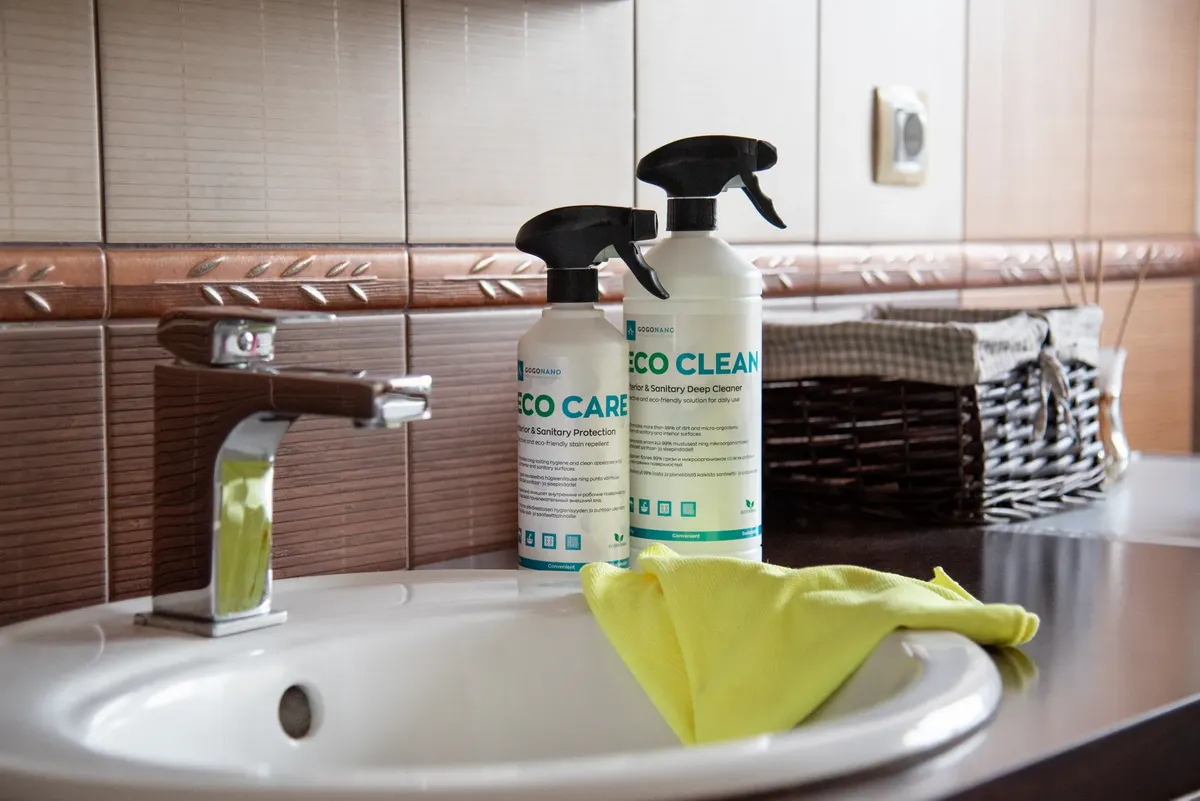
How do we manage waste and recycling? Eco cleaning without soap
At the curb during dawn, I lift a heavy bin and feel the weight of the plastic while cleaning out the excess debris.
A person stands before a bin, deciding whether to toss an old electronic device inside. Managing waste requires an understanding of current recycling rates and the logistical challenges of disposal.
Without proper systems, much of our discarded material ends up in landfills rather than being repurposed.
The current state of global waste management presents significant hurdles for sustainability. For example, Oceania generates the second most e-waste at 16.1 kg, while having the third lowest recycling rate of 8.8%. These figures highlight the difficulty of managing modern waste streams effectively.
In this sequence, the second step is the most extensive.
What are the challenges of recycling labor?
A worker wipes sweat from their brow while sorting through a mountain of plastic and metal. The human element of sustainability is often overlooked, yet it represents a major portion of the environmental management budget.
Efficient recycling requires both technological advancement and significant human effort.
Economic factors heavily influence how we handle discarded goods. Although recycling efforts help the environment, it costs the provider money, with labor taking up 90% of the cost of recycling. This high cost makes it difficult to maintain consistent and widespread recycling programs globally.
How can we improve waste access?
A driver searches for a drop-off point along a long, empty stretch of highway. Accessibility is a major barrier to successful waste management and environmental stewardship. Without convenient collection points, many people struggle to participate in recycling or responsible disposal.

Advocacy groups have highlighted the difficulty of reaching disposal centers in remote areas. They have also advocated for reasonable access to collection points for waste, with there being only one collection point within a 100 km radius in some cases.
Improving this access is a key step in reducing environmental impact.
How does fuel choice affect the environment?
A driver pulls into a station, looking at the different fuel options available in the pump. Choosing the right fuel is a direct way to manage carbon footprints and prevent soil contamination. Different vehicles and regions have unique requirements for what they can safely consume.
The impact of fuel depends heavily on the vehicle type and the intended environment. In some areas, flexible-fuel vehicles allow any blend of gasoline and ethanol, up to 85% in North America and Europe, and up to 100% in Brazil.
These options provide varying levels of emission reductions depending on the power source.
What are the limits of natural solutions?
A scientist examines a soil sample to see how much of a spilled substance has vanished. While natural solutions are effective, they are not a universal fix for every type of pollution. Understanding the speed and conditions of degradation is crucial for responsible planning.
Natural degradation is highly dependent on the specific substance and the environment. While biodiesel is designed to break down quickly, other substances may take much longer or require specific conditions to disappear.

A limitation is that not all spills or pollutants can be addressed by simple biological processes.
The subject here is Eco cleaning without soap.
The same subject is also called Natural home cleaning tips.
The same subject is also called Soap free cleaning hacks.
The same subject is also called Green cleaning methods.
The same subject is also called Environmentally friendly clean.
This part also covers DIY non-toxic cleaning recipes.
This part also covers Best zero waste cleaning.
This part also covers Simple natural cleaning routines.
DIY non-toxic cleaning recipes
Related



Comments 0