Why grime keeps returning: A guide to cleaning maintenance
A deep clean should be scheduled seasonally or whenever there is a significant buildup of grime that daily maintenance cannot handle. I spent more time switching between tools than actually cleaning the porcelain.
"A clean home is not about perfection, but about maintaining a space where you can actually breathe."
This guide provides a practical approach to tackling deep cleans and daily maintenance to save you time.
* Identify the specific type of grime before choosing a cleaner. * Use a step-by-step approach to prevent spreading dirt. * Focus on high-touch areas to maintain hygiene. * Balance effective cleaning with time-saving habits.
Why does the grime keep coming back?
As I scrubbed the kitchen counter late at night, my fingers slipped against the oily residue of the returning grime.
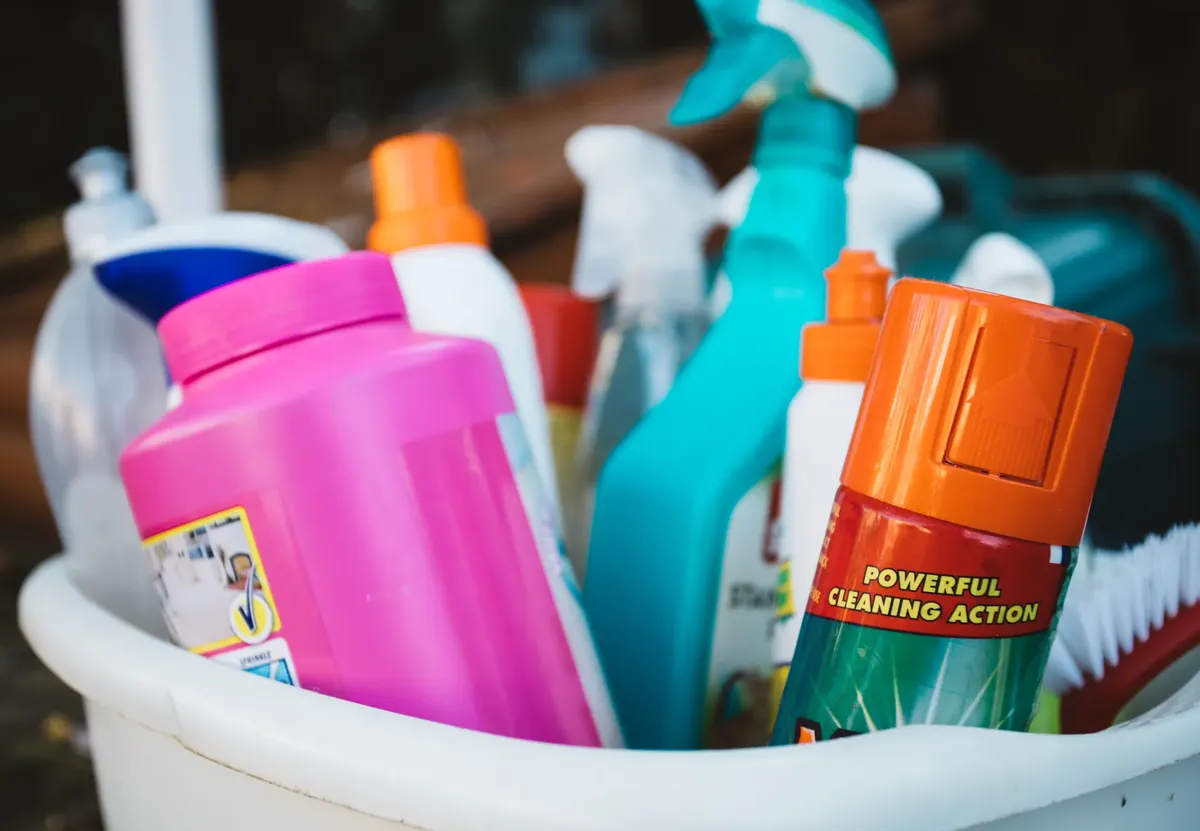
It felt like no matter how hard I scrubbed, the film of oil and dust always found its way back to the surface.
When you use a cleaner that is too heavy or doesn't rinse properly, it actually attracts more dust and hair, creating a cycle of constant scrubbing.
To break this cycle, you must focus on neutralizing the specific type of buildup—whether it is acidic limescale in the bathroom or alkaline grease in the kitchen—rather than just wiping the surface.
Understanding the chemistry of your home surfaces prevents you from stripping away protective coatings or leaving behind the very substances that invite new dirt.
For instance, using a highly acidic cleaner on natural stone can cause permanent etching, while using a soap-heavy cleaner on wood can lead to moisture damage.
How do I choose the right tools for a deep clean?
In the evening I hold grime and walk through the next step.
I remember the first time I tried to clean a large guest bathroom; I had a bucket of random sponges and three different bottles of spray, but I still felt overwhelmed and messy.
Choosing the right tools involves matching the abrasive strength and the moisture level to the surface you are treating. For hard surfaces like tile or quartz, a microfiber cloth is often superior to paper towels because it lifts particles rather than just moving them around.
For heavy-duty tasks, a soft-bristle brush is essential to reach grout lines without scratching the finish.
To organize your cleaning supplies effectively, follow these three steps:
- Categorize your tools by room to avoid carrying heavy buckets back and forth. 2. Separate abrasive tools (like scrub brushes) from delicate tools (like microfiber cloths). 3. Keep a dedicated "wet kit" for bathrooms and a "dry kit" for dusting and glass to prevent cross-contamination.
When you have your kit ready, you can move through a room logically, starting from the top and working your way down to the floor.
What is the best way to handle kitchen grease?

The smell of old cooking oil hitting a hot burner is one of the most frustrating scents to deal with in a kitchen. I once spent an entire Sunday scrubbing a vent hood, only to realize I hadn't addressed the grease buildup inside the filters.
Kitchen grease requires a degreaser that can break down organic oils effectively. Most heavy-duty degreasers are alkaline-based, which works well to saponify fats, making them easy to wipe away.
However, you must be careful with certain finishes, such as sealed wood or certain laminates, which can be damaged by harsh alkaline chemicals.
For a successful kitchen deep clean, follow this sequence:
- Apply the degreaser to the most soiled areas, such as the stovetop and vent filters, and let it sit for several minutes to break down the bond. 2. Wipe the surfaces using a warm, damp cloth to rinse away the loosened oils. 3. Dry the area immediately with a clean cloth to prevent streaking and water spots.
Always remember to clean the vent filters regularly; if the grease is too thick, it can bypass the filters and coat your cabinets.
How can I tackle bathroom limescale?
I looked at my showerhead this morning and noticed the white, crusty buildup that makes the water spray in every direction but the right one. It looked like a permanent part of the metal, almost as if it had grown there.
Limescale is a mineral deposit caused by hard water, and it requires an acidic cleaner to dissolve the calcium and magnesium. While a strong acid can clear the buildup quickly, it can also damage chrome plating or natural stone if left on too long.
The goal is to use just enough acidity to dissolve the minerals without etching the metal or stone.
If you are dealing with heavy buildup in a bathroom, try this approach:
- Soak a cloth in a specialized descaling solution or a diluted acidic cleaner. 2. Wrap the soaked cloth around the faucet or showerhead to ensure constant contact with the minerals. 3. After letting it sit for the recommended time, scrub gently with a soft brush and rinse thoroughly with clear water.

If you use this method on a delicate surface, always test a small, inconspicuous area first to ensure the finish remains intact.
How do I keep my living space organized?
I sat on my sofa last night, surrounded by stacks of mail, remote controls, and various household items, realizing that the "clutter" was actually just things without a designated home. It wasn't that the house was dirty; it was just that it felt heavy with stuff.
Organization is the foundation of a clean home because it prevents the accumulation of dust and makes daily tidying much faster. When every object has a specific place, you spend less time moving things around and more time actually cleaning the surfaces they sit on.
This is the core of a minimalist approach to maintenance.
To maintain an organized environment, follow these habits:
- Implement a "one-in, one-out" rule for new items to prevent clutter from growing. 2.t Designate a "landing zone" near the entrance for items like keys and mail to prevent them from spreading through the house. 3. Spend five minutes every evening returning items to their designated spots.
I find that if I don't do this nightly, the mess becomes much harder to manage the following morning.
What are the limits of eco-friendly cleaning?
I once tried to clean a heavily soiled rug using only water and citrus-based sprays, thinking I was being helpful to the environment. I ended up with a damp, smelly mess that took days to dry and still looked stained.
According to Université de Montpellier, limiting global warming to 2 °C (3.6 °F) will require transforming energy production, distribution, storage, and consumption in 2023.
While many modern cleaning products are much safer for the environment and indoor air quality, they may not always be as powerful as industrial chemicals when dealing with extreme biological stains or heavy-duty grease.
The effectiveness of an eco-friendly cleaner often depends on the contact time and the physical scrubbing required.
There is a limitation to using natural cleaners when dealing with severe mold or heavy organic buildup in high-moisture areas. In these specific conditions, the lack of strong antimicrobial agents in some natural products might not be sufficient to fully sanitize the area.
This order does not hold, however, when the figure is not 2 °C.
- If you are struggling with stubborn grime or just don't know where to start with a messy room, the key lies in consistent routines and the right chemical balance for each surface.
- I stood in my kitchen yesterday, staring at a greasy stovetop that looked identical to how it looked just three days ago.
- The reason dirt returns so quickly is often due to incomplete removal of microscopic particles or the use of incorrect cleaning agents that leave a sticky residue behind.
Related
FAQ
How do I prevent streaks on glass?
When should I deep clean my home?
Popular posts

10-Minute Daily Reset: Keep Your Home Pristine All Year

12,000 miles guide: Maintaining a clean car interior
Car dust how to remove fine dust from your car interior 1

Comments 0