Washing machine usage tips for appliance lifespan guide
To extend the lifespan of your appliance, you must balance routine maintenance with specific protocols for periods of inactivity. Proper usage prevents mechanical strain, while correct long-term storage prevents mold and internal corrosion. 1. Load the drum according to weight limits to avoid motor stress. 2. Leave the door open after cycles to prevent moisture buildup. 3. Drain all water and dry the drum before long-term storage.
How to manage daily washing machine usage?
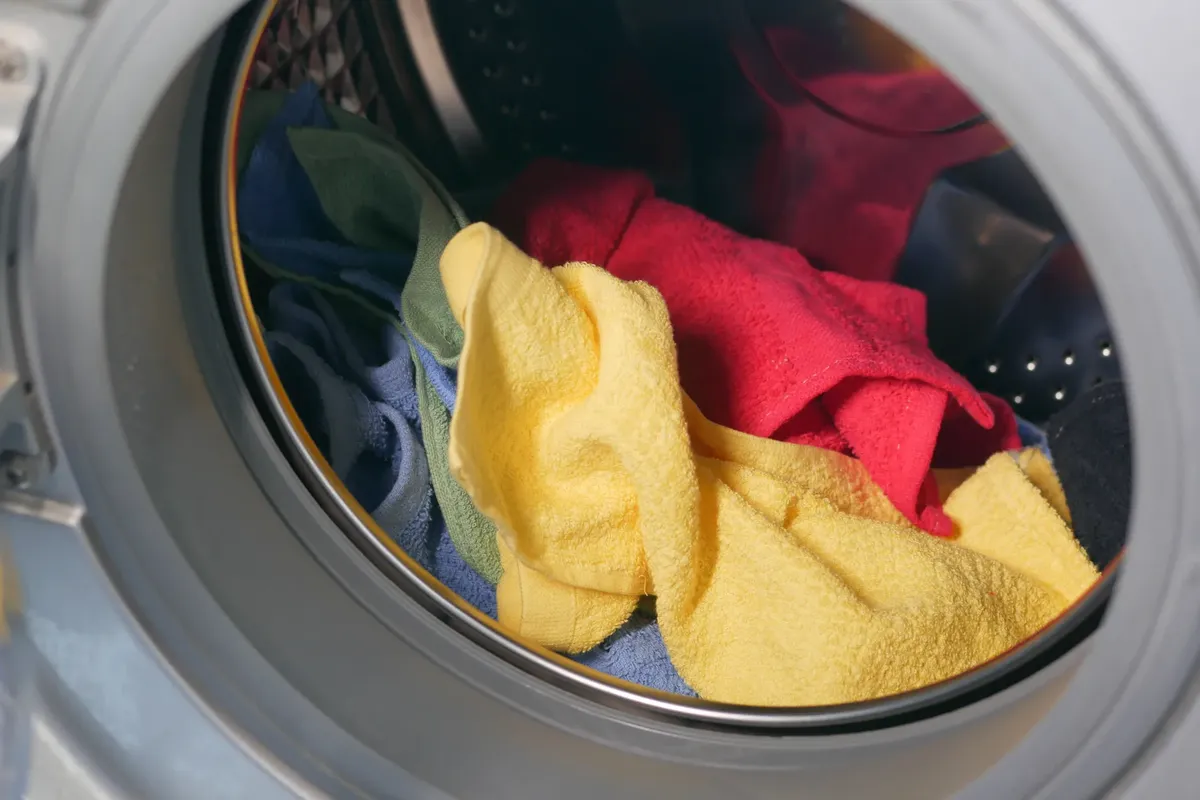
In the bright morning light of the laundry room, I carefully distribute the heavy linens into the drum to prevent the shaking caused by improper washing.
A hand reaches for the detergent drawer, pulling it out to inspect the residue left behind after a heavy cycle. Managing daily tasks is the foundation of appliance longevity.
To ensure the machine runs smoothly, avoid overloading the drum, as this can lead to imbalance and motor damage. Using the correct amount of detergent prevents buildup in the internal pipes and sensors.
Always select the appropriate cycle for the fabric type to ensure the machine operates within its intended mechanical parameters.
I once noticed a strange vibration during a heavy load, which taught me to never pack the drum too tightly. This habit of checking the balance before starting a cycle has kept my machine running quietly for years.
What are the essential steps for washer long term storage? Washing machine usage tips
At dusk in the empty basement, I wipe the damp drum dry to ensure no odors linger after the final rinsing process of the washing cycle.
A dusty, unused machine sits in a quiet laundry room, waiting for the next season of use. When a machine will be idle for weeks or months, special care is required to prevent stagnant water from causing odors or rust.
Follow these steps for proper storage:
- Run a complete rinse cycle to ensure all residual soapy water is removed from the internal lines. 2. Dry the drum and the rubber gasket thoroughly with a clean cloth to eliminate moisture. 3. Leave the door and detergent dispenser cracked open to allow air circulation.

Properly executing these steps ensures that when you return to use the machine, there are no sudden leaks or unpleasant smells.
How to perform effective machine care?
The rubber seal of a front-loading machine shows signs of dark spots where moisture has settled. Regular maintenance prevents these small issues from becoming permanent damage.
Routine cleaning involves wiping down the door seal and the detergent tray weekly. You should also periodically run a cleaning cycle with a specialized cleaner to remove scale and biofilm from the outer tub.
Maintaining a dry environment around the machine prevents corrosion of the external housing and electronic components.
| Action | Frequency | Goal |
|---|---|---|
| Wipe gasket | After every wash | Prevent mold |
| Clean detergent tray | Weekly | Prevent buildup |
How to implement effective cleaning and saving power?
A finger presses the power button, and the machine hums to life with efficiency. Combining maintenance with smart usage habits can reduce energy consumption and wear.
Using the right amount of hot water for the specific load type helps prevent scale buildup on heating elements. Modern machines are designed for efficiency, but heavy loads and excessive heat can increase wear on the drive system.
Regularly cleaning the lint filter or drain pump ensures that the machine does not have to work harder to move water through the system.
How to handle washer long term storage in different environments?
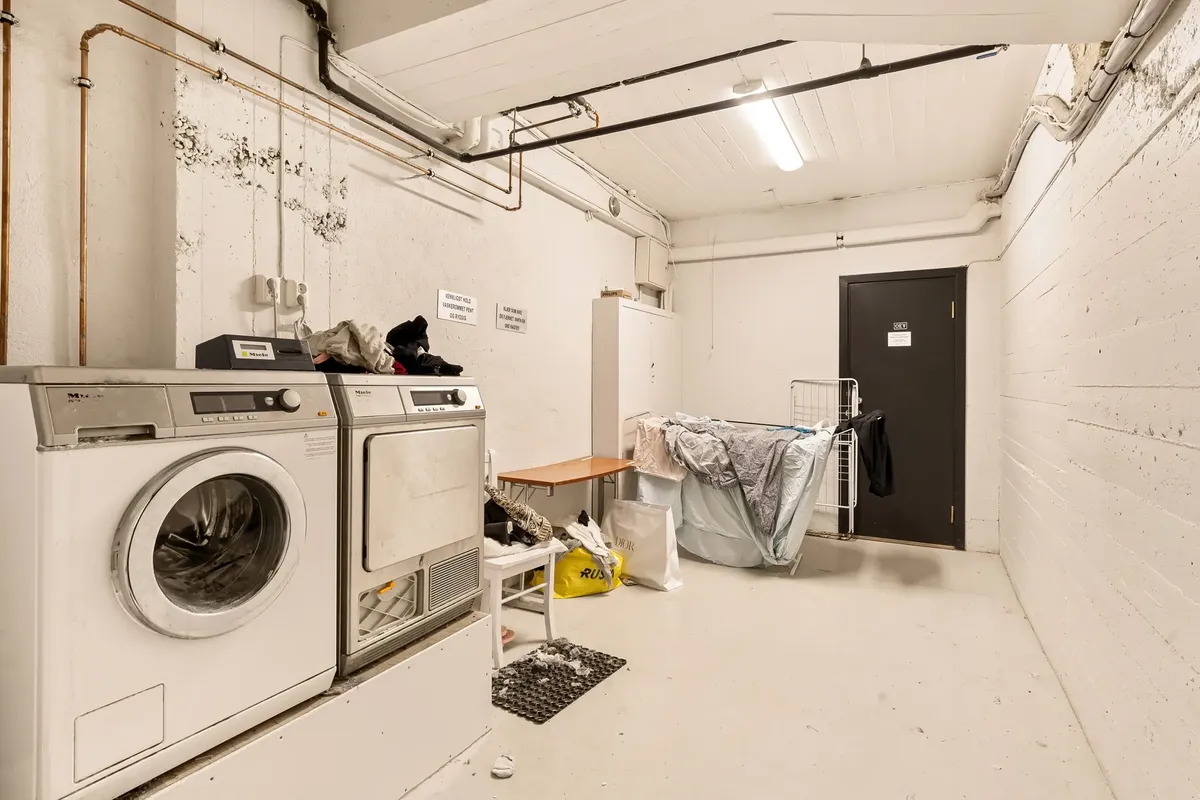
A cold, damp basement holds a silent machine, where the air feels heavy with humidity. Storing a machine in a space with temperature fluctuations requires extra attention to the internal components.
If you are storing a machine in a garage or basement, ensure the area is climate-controlled if possible. Extreme cold can cause remaining water in the pump to freeze and crack plastic parts, while high humidity can lead to electronic failure.
If the machine is being moved, always secure the transit bolts to prevent the drum from bouncing during transport.
The subject here is Washing machine usage tips.
The same subject is also called How to use washer well.
The same subject is also called Machine care guide.
The same subject is also called Laundry appliance tips.
This part also covers Extend washer life tips.
This part also covers Proper storage for washer.
Related
- Car dust how to remove fine dust from your car interior 1
- Quick car odor removal: 5 minute car smell routine tips
What precautions should be taken when moving the appliance? When relocating the machine, securing the transit bolts is necessary to stop the drum from vibrating during transit. This precaution helps protect the internal mechanisms during transport, which is a critical step in extending the lifespan of your appliance.
When should cleaning cycles be performed? Running a cleaning cycle with a specialized cleaner should happen periodically to remove buildup. This maintenance action helps prevent scale and biofilm from accumulating inside the outer tub, supporting the overall lifespan of your appliance.
Properly managing the machine's state between uses is key to extending its lifespan. Consistent adherence to these protocols prevents both mechanical strain during operation and deterioration during storage.
When the machine is not in use, draining all water and drying the drum prevents mold and internal corrosion. This simple action supports the machine's longevity when it is not actively washing clothes.
What conditions necessitate special attention during storage? Special attention is required when storing a machine in a space where temperature fluctuates. Extreme cold can cause water remaining in the pump to freeze, leading to the cracking of plastic parts. High humidity conditions present a risk of electronic failure within the appliance.
When the machine is in a cold, damp basement, the heavy humidity in the air demands extra care for the internal components to extend the lifespan. This environment requires vigilance regarding moisture management to prevent detrimental effects on the machine's structure.
If the machine experiences temperature swings, the risk of internal damage increases, making climate control a beneficial measure to extend the lifespan. This precaution helps safeguard the sensitive electronics and plastic elements against environmental stress.




Comments 0