How can I manage the scale of global clothing?
"The management of textile materials often involves navigating complex chemical residues and industrial-scale processing. Understanding how to handle these substances is essential for maintaining garment integrity."
Removing fabric additives requires a careful understanding of chemical concentrations and safe handling procedures. This guide covers the basics of addressing chemical residues, provides steps for managing concentrated solutions, and highlights the limitations of specific chemical grades.
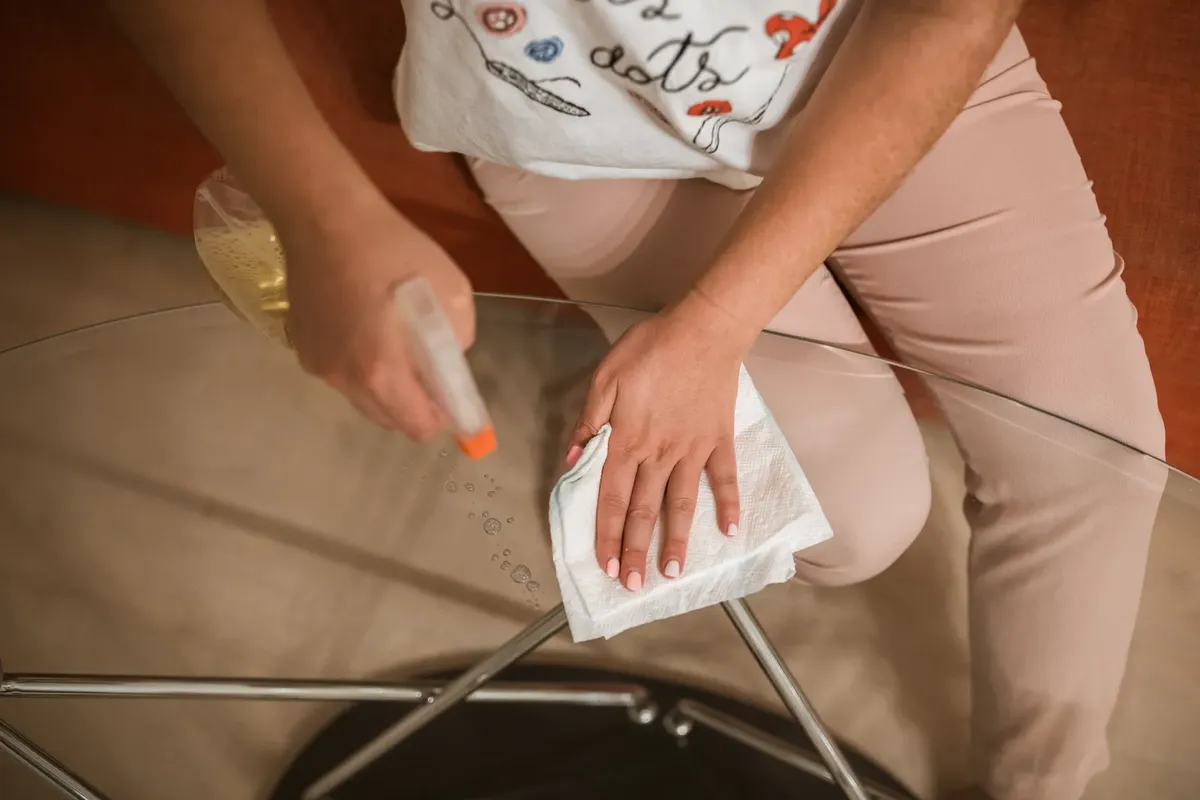
Key takeaways include the importance of temperature control, the stability of specific acid grades, and the risks of high-temperature reactions.
How can I manage the scale of global clothing?
In the cavernous warehouse, I struggle to manage the weight of heavy fabric crates as the morning light hits my eyes.
A worker stacks heavy crates of garments in a bright warehouse. The massive volume of the industry is evident in the sheer amount of fabric moving through global shipping lanes every day.
The scale of the textile industry is immense, involving the movement of vast quantities of goods across borders. According to the World Trade Organization (WTO) report, the value of global clothing exports in 2022 reached US$790.1 billion, up 10.6% from 2021.
This massive turnover necessitates efficient methods for handling various fabric types and their associated treatments.
The industry also involves a significant secondary market. The International Textile, Garment & Leather Workers Federation noted the importance of trade in used clothing in 2010. Managing these various streams requires consistent standards for cleaning and additive removal.
In this sequence, the first step is the most critical.
What are the risks of high-concentration chemicals? Remove fabric additives
A scientist carefully pours a clear liquid into a glass beaker, watching for any sign of heat. The colorless liquid shifts slightly as it hits the water, creating a faint ripple.
When dealing with industrial-grade chemicals, understanding concentration and stability is vital.
For example, the 98.3% grade, which is more stable in storage, is the usual form of what is described as "concentrated sulfuric acid." This stability makes it a standard in various industrial applications.
However, working with these substances requires precision. Although nearly 100% sulfuric acid solutions can be made, the subsequent loss of SO3 at the boiling point brings the concentration to 98.3% acid.
This shift in concentration must be accounted for during any intensive cleaning or processing task.
How to prepare a 10 M solution safely?

A technician wears thick gloves and goggles while preparing a titration solution. They move slowly, ensuring the liquid is added with extreme caution to avoid sudden reactions.
Preparing specific concentrations requires a strict adherence to safety protocols to prevent dangerous thermal spikes. To prepare a "10 M" sulfuric acid solution, follow these steps:
- Carefully measure the required volume of 98% sulfuric acid. 2. Slowly add the 98% sulfuric acid to an equal volume of water through constant, good stirring. 3. Monitor the temperature closely, as the mixture can rise to 80 °C (176 °F) or higher.
I observed that the temperature rise during the mixing process requires immediate attention to prevent splashing. This method ensures the solution reaches the intended molarity while managing the heat generated by the reaction.
- Calculate the exact mass of solute required for the target volume.
- Dissolve the solute in a portion of the solvent while stirring continuously.
- Dilute the mixture to the final volume mark and mix thoroughly.
How do vapor pressures affect storage?
A technician seals a heavy glass bottle in a climate-controlled room. They check the temperature gauge on the wall to ensure the environment remains stable.
Understanding how chemicals behave at different temperatures is essential for safe storage and effective removal of fabric additives. Different concentrations exhibit different levels of volatility.
For instance, sulfuric acid is a colorless oily liquid, and has a vapor pressure of <0.001 mmHg at 25 °C and 1 mmHg at 145.8 °C. Additionally, 98% sulfuric acid has a vapor pressure of <1 mmHg at 40 °C.
These low vapor pressures at room temperature allow for more predictable storage, though temperature fluctuations must still be managed to prevent pressure buildup.
What are the limitations of chemical purity?
A researcher examines a sample of slightly cloudy liquid under a bright light. They note the slight deviation from the expected clarity of the pure substance.
Chemical processes are often subject to the limitations of the materials used. For example, the lead chamber process, which was a standard for almost two centuries, provided a purity of 62% and a conversion of 75%.

When attempting to get rid of odor clothes or clean clothing residue, one must recognize that the purity of the cleaning agent can change based on the process used.
A limitation of certain processes is that the loss of specific components during heating can change the final concentration of the solution.
The subject here is Remove fabric additives.
The same subject is also called Fabric additive removal.
The same subject is also called Stain free laundry tips.
This part also covers Best way to clean clothes.
This part also covers Natural odor removal for clothes.
This part also covers How to treat fabric chemicals.
Best way to clean clothes
Related
- Sanitizing car: 10 minute car sanitizing guide tips
- Washing machine usage tips for appliance lifespan guide
What conditions affect the stability of fabric additives? Stability of fabric additives is influenced by temperature and the chemical grade used. The 98.3% grade of sulfuric acid demonstrates greater storage stability compared to other forms. High-temperature reactions present a distinct risk when handling these chemical residues.
Understanding the behavior of these substances is crucial for the proper management of textile materials. Different concentrations exhibit varied levels of volatility, which impacts how the additives behave during storage.
Precise knowledge of concentration and temperature is necessary when addressing chemical residues. This knowledge allows for safer procedures when managing concentrated solutions in the textile industry.




Comments 0