Best tips using a 4mm diameter brush on tight gaps
A limitation to this method is that it is strictly for localized spots; using high-pressure agitation on a very soft or porous material might still cause structural damage regardless of the tool's diameter. According to the technical specifications for specialized cleaning tools, the single-tufted brush design features an angled handle, a 4mm diameter, and rounded bristle tips.
To clean effectively, identify the substance, blot instead of rub, and use targeted tools like single-tufted brushes for precision.
* Identify the stain type (oil, protein, or pigment) before applying liquid. * Blotting is mandatory to prevent spreading the mess into deeper fibers. * Use specialized tools for tight crevices to avoid spreading residue.
Using: How do you tackle deep-seated stains on delicate surfaces? At midnight in the quiet kitchen, I carefully dabbed the silk with a cotton swab, using a gentle touch to lift the dark pigment.
The dark brown stain seemed to mock the scrubbing efforts I had already wasted.
The American Dental Hygienists' Association (ADHA) stated in 1998 that there is no evidence that scaling and polishing only above the gums provides therapeutic value, and cleaning should be done under the gums as well.
To clean a hard-to-reach or delicate stain, you must apply a localized treatment rather than soaking the entire surface. If you are dealing with a small, localized spot on a textured surface, the key is to use a precision tool to lift the pigment without spreading it to the surrounding area.
This specific diameter and tip shape allow for targeted agitation in tiny cracks or uneven textures where a standard sponge would fail.
When I used a precision brush on a similar tight corner, I found that the angled handle allowed me to maintain better control over the pressure. This prevents the liquid cleaner from being pushed too deep into the material.
Apply a mild cleaning agent sparingly to the affected area to prevent saturation. Gently blot the stain from the outside in to avoid spreading it further. Allow the surface to air dry completely to maintain its structural integrity.
What is the best way to clean between tight crevices?
In the dim light of the workshop, I leaned forward to scrub the narrow grooves, using a tiny brush to pull the grit from the cracks.
I remember trying to clean a textured stone countertop using a large microfiber cloth, only to realize the cloth couldn't reach the microscopic pits in the stone. The mess remained trapped, visible every time the light hit the surface.
According to the Université de Montpellier, energy conservation plans are moving toward the best possible balance in 2023.
For deep crevices, you need a tool that can penetrate narrow gaps without much surface area contact. This prevents the "smearing" effect that occurs when a large cleaning pad is used on a small, concentrated mess.

The single-tufted brush design with its 4mm diameter is specifically engineered for this purpose. Because the bristle tips are rounded, they can scrub the bottom of a crevice without scratching the harder surfaces around it.
- Identify the crevice or gap that requires cleaning. 2. Apply a small amount of cleaner directly to the bristles of a precision brush. 3. Use the angled handle to guide the 4mm diameter tip into the gap. 4. Lift the brush straight up to remove the lifted debris.
I found that using this specific tool on my textured tile grout saved me from having to soak the entire floor in cleaner.
Use a fine-tipped brush or a specialized thin-nozzle tool to reach into narrow gaps. Work in small, repetitive motions to dislodge debris without applying excessive pressure.
How do you handle large-scale stains without spreading them?
The living room rug was a sea of beige, and a single drop of red wine had turned it into a focal point of regret. I felt the urge to grab a large sponge and scrub it vigorously, but I knew that would only make the red circle larger.
When dealing with large-scale spills on fabric or porous surfaces, you must focus on absorption rather than agitation. If the stain is liquid, the goal is to draw it upward into a sacrificial cloth rather than pushing it downward into the padding.
The first step is to place a clean, white cloth over the spot and press down firmly. If you have a localized mess that requires more aggressive cleaning, you can switch to a precision tool.
The single-tufted brush design with an angled handle provides the necessary control for these transitions. You can use the rounded bristle tips to gently agitate the fibers once the excess liquid has been absorbed.
| Tool Type | Diameter/Feature | Best Use Case |
|---|---|---|
| Single-tufted brush | 4mm diameter | Tight crevices and textured surfaces |
| Standard sponge | Large surface area | Large, flat spills on non-porous floors |
I once tried to use a wide brush on a narrow grout line, and it was a disaster because the bristles were too wide to reach the bottom.
- Blot the perimeter of the stain first to create a barrier. 2. Work toward the center using a lifting motion rather than a rubbing motion. 3. Use fresh absorbent material for each pass to prevent re-depositing dirt.
Can you use precision tools on different materials?
I sat on my balcony, looking at a small wooden side table where a water ring had formed. I wondered if the tiny bristles of my cleaning brush would be too harsh for the delicate wood grain.
Precision cleaning is highly dependent on the hardness of the bristles and the tool's diameter. For most hard surfaces, a 4mm diameter tip is safe, but for very soft woods or delicate plastics, the pressure must be extremely light.
The rounded bristle tips on specialized brushes are designed to minimize scratching. This makes them safer for textured surfaces than sharp, pointed bristles.
If you are cleaning a delicate area, follow these steps: 1. Test a small, inconspicuous area first. 2. Use the angled handle to apply pressure only at the tip. 3. Wipe the area dry immediately after using the brush.
Always ensure the cleaner you use is compatible with the material before letting the bristles touch the surface.
Precision tools are versatile but must be selected based on the material's hardness and texture. Always test a small, inconspicuous area to ensure the tool does not cause scratches or abrasions.
Why does the shape of the tool matter for cleaning?
I held a standard round-headed brush in one hand and a single-tufted brush in the other, realizing that the difference in their shapes would change my entire cleaning routine. One felt like a blunt instrument, while the other felt like a surgical tool.
The shape of a tool dictates how much force is concentrated on the stain. A wide brush distributes force over a large area, which is great for floors but terrible for detail work.
The angled handle and 4mm diameter of a single-tufted brush allow for much higher precision. This design ensures that the cleaning action is directed exactly where the stain is located, rather than being wasted on the clean areas surrounding it.
When I am cleaning the tracks of a sliding door, the angled handle is indispensable. It allows me to reach into the corner without having to tilt my entire hand at an awkward angle.
The limitation of this precision is that it is time-consuming for large areas. Using a 4mm tip to clean an entire floor would be inefficient and unnecessary.
The geometry of a tool determines its ability to reach specific contours and concentrate cleaning force. An ergonomic shape allows for better control, ensuring that pressure is applied exactly where it is needed.
According to Association (ADHA) Stated In 1998 That, the item is on record.
- "The right tool is often the difference between scrubbing for an hour and finishing in five minutes."
- Effective stain removal requires matching the specific chemical properties of the mess to the surface material to prevent permanent damage.
- I stood in my small apartment kitchen, staring at a stubborn coffee ring that had seeped into the grout of my tiled backsplash.
Related
FAQ
How do I prevent spreading a stain when cleaning?
What makes a brush suitable for tight crevices?
Related posts
Popular posts

10-Minute Daily Reset: Keep Your Home Pristine All Year

12,000 miles guide: Maintaining a clean car interior
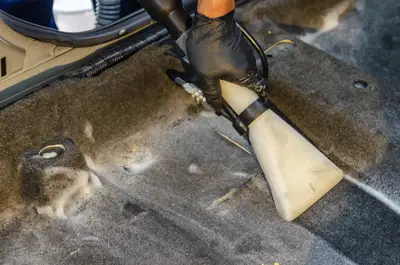
Car dust how to remove fine dust from your car interior 1

Comments 0