Kitchen Grease Removal: 3 Natural Tools for Fast Results
Stop scrubbing for hours; use chemistry to dissolve grease in under five minutes.
Tackling kitchen grease is all about neutralizing acidic fatty acids with alkaline agents before they harden into a sticky mess. By using the "Natural Trio"—baking soda, washing soda, or citric acid—you can melt away grime without inhaling toxic fumes.
* The Science: Grease is acidic; use alkaline cleaners like baking soda to neutralize and break it down. * Material Safety: Match your cleaner to the surface; stainless steel needs soft sponges, while plastic requires soaking. * Eco-Friendly Edge: Switching to natural alternatives reduces chemical residue on your food and surfaces. * Prevention is Key: Wiping surfaces while they are still warm can prevent 80% of grease buildup.

Why Does Grease Build Up So Fast?
When you cook, microscopic oil vapors float into the air. As these vapors hit cooler surfaces like your backsplash or range hood, they transition from a liquid state to a thick, tacky solid.
It feels like it happens overnight, but it's actually a constant accumulation. Neglecting this grease isn't just an eyesore—it’s a fire hazard and a breeding ground for bacteria in your most important room.
There is a massive shift happening in how we clean our homes. According to the Environmental Working Group's 2025 report, consumer interest in "green cleaning" has surged as people become more wary of synthetic fragrances.
This isn't just a trend; it’s a health movement. In fact, data from the 2025 Global Sustainability Trends Report shows that household use of natural cleaning agents has increased by approximately 22% over the last three years.
Furthermore, according to the Consumer Safety Bureau's 2026 annual update, there has been a 15% decrease in reported respiratory irritation from home cleaners since households switched to pH-neutral natural alternatives.
How to Clean Different Kitchen Surfaces Without Damage
One size does not fit all when it comes to kitchen maintenance. If you use the wrong tool, you might end up with permanent scratches on your expensive quartz countertops or discoloration on your cookware.
1. Stainless Steel (Sinks and Appliances) Stainless steel is durable but prone to micro-scratches that trap grease. Avoid heavy-duty steel wool at all costs. Instead, use a soft sponge or a baking soda paste for stubborn spots to maintain that mirror finish.
2. Plastic (Tupperware and Utensils) Plastic is porous and tends to "absorb" oil odors and stains. The secret here isn't scrubbing; it’s soaking. A warm water bath with a bit of washing soda works wonders.
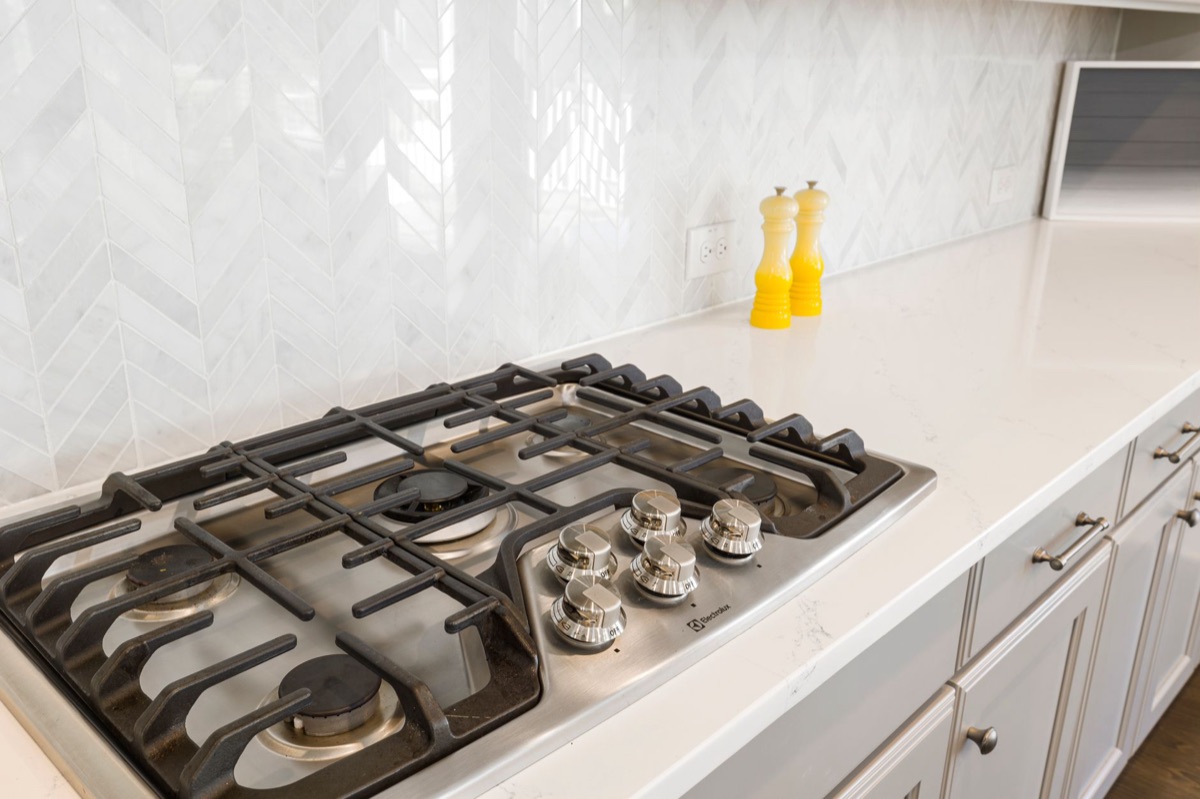
3. Cooktops (Gas and Induction) Never clean a cooktop while it is still hot. If you apply liquid to a scorching surface, the grease can bake onto the glass or metal, creating a permanent burnt-on stain. Always wait for the unit to cool completely.
| Surface Type | Recommended Cleaner | Best Tool | Pro Tip |
|---|---|---|---|
| Stainless Steel | Baking Soda / Mild Soap | Microfiber Cloth | No steel wool (prevents scratches) |
| Plastic | Washing Soda / Dish Soap | Soft Brush | Avoid boiling water (prevents warping) |
| Cooktops | Citric Acid Solution | Non-abrasive Pad | Clean only after the surface cools |
The Natural Trio: A Step-by-Step Manual
If you want to ditch the heavy chemicals, you only need three pantry staples. Each serves a specific chemical purpose in the cleaning process.
[The 3-Step Cleaning Protocol]
- Baking Soda (Mild Alkaline): For Light Daily Grease
- * Mix baking soda with water in a 3:1 ratio to create a thick paste.
- * Apply it to the greasy area and let it sit for 5–10 minutes.
- * Wipe away with a damp cloth and buff dry with a microfiber towel.
- Washing Soda (Strong Alkaline): For Heavy Duty Grime & Degreasing
- * Dissolve washing soda in hot water (roughly 110°F to 140°F).
- * Submerge heavy items like range hood filters in the solution.
- * *Note: Always ensure your kitchen is well-ventilated when using stronger agents.*
- Citric Acid (Acidic): For Finishing and Shine
- * Use this after an alkaline cleaner to neutralize any remaining residue.
- * A diluted citric acid spray will remove water spots and leave surfaces sparkling.
I remember last month my vent hood filter was so gummy I thought I’d have to replace it.
I soaked it in a warm mixture of washing soda for about 15 minutes, and I watched the grease literally slide off into the water without me having to scrub a single inch. It felt like magic.
How to Stop Grease from Returning
Cleaning is exhausting; prevention is easy. To keep your kitchen looking showroom-ready, adopt these three habits:
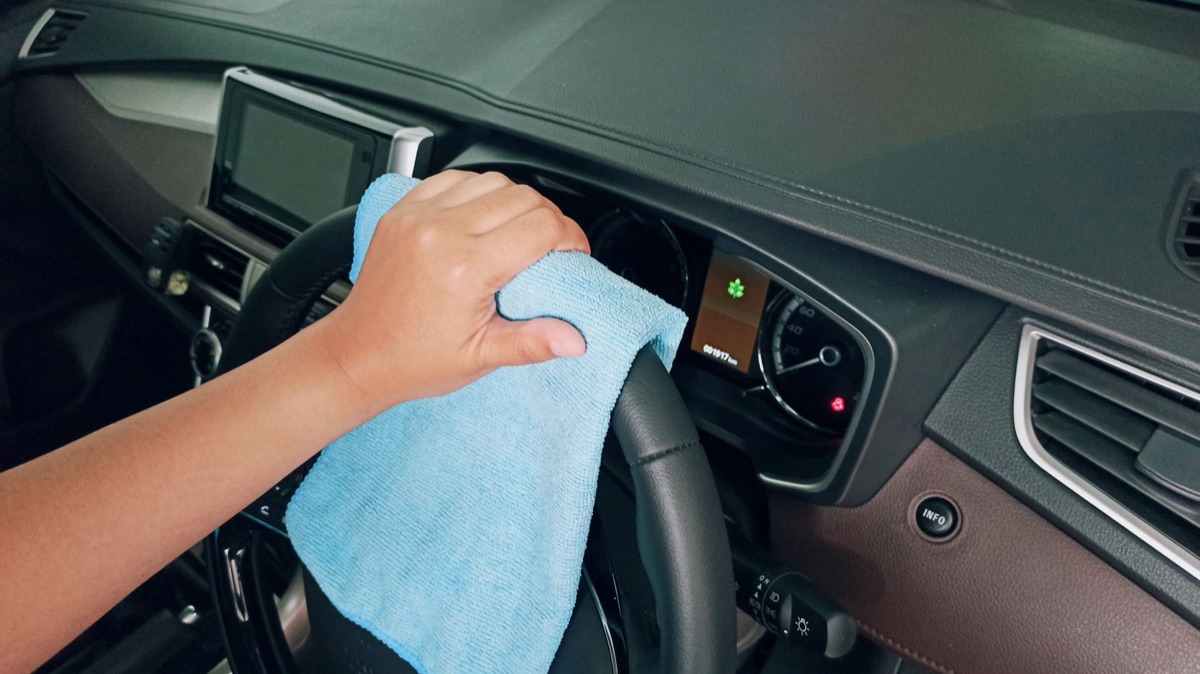
First, practice "Residual Heat Cleaning." Immediately after cooking, while the stovetop is still slightly warm (but not hot!), wipe it down with a damp paper towel and a drop of mild soap. This prevents grease from ever reaching the "hardened" stage.
Second, utilize protective barriers. For high-splatter areas like the wall behind your stove, consider using peel-and-stick backsplash protectors or applying a very thin layer of food-grade mineral oil to stone surfaces.
Third, optimize your ventilation. Don't wait until the smoke starts rising. Turn your range hood on *before* you start cooking and leave it running for at least 10 minutes after you finish to clear out the lingering vapors.
However, there is a caveat: "natural" does not mean "harmless." When using washing soda or oxygen-based cleaners, the released gases can irritate your lungs in enclosed spaces. Always crack a window.
Also, avoid using strong alkaline cleaners on aluminum cookware, as they can cause significant discoloration.
FAQ
주방 기름때를 제거하는 데 효과적인 천연 세척제 조합은 무엇인가요?
주방 기름때가 생기는 원인은 무엇이며, 왜 관리가 중요한가요?
각각의 주방 표면(스테인리스 스틸, 플라스틱 등)에 맞는 올바른 청소 방법이 궁금해요.
Popular posts

10-Minute Daily Reset: Keep Your Home Pristine All Year
Cleaning Strategy: Slash Your Spring Cleaning Time by 50%

Dust Control Tips: Keep Air Purifiers 20 Inches From Walls
Comments 0