Seasonal Closet Organization: 3 Pro Steps to Maximize Space
Stop fighting your closet every three months; master the cycle of sorting, storing, and rotating to reclaim your living space and mental clarity.
Mastering seasonal closet rotation is about moving from a state of constant chaos to a streamlined system where every garment has a purpose and a permanent home.
By following a strict sorting protocol and utilizing material-specific storage, you can protect your investment in quality clothing while maximizing your living space.
* The 80/20 Rule of Sorting: Focus on the "Keep, Donate, Sell" triage before moving a single hanger. * Environmental Protection: Use breathable fabrics and moisture control to prevent fabric degradation during off-season storage. * Vertical & Zonal Organization: Maximize space by utilizing the "Top-Middle-Bottom" hierarchy based on frequency of use.
How to Start the Seasonal Transition: The Sorting Protocol
The sun hits the hardwood floor at 9:00 AM, illuminating the mountain of colorful fabric piled on the guest bed. You stand there, surrounded by sweaters, summer dresses, and coats, feeling the weight of a decision you've been avoiding for weeks. This is the moment the seasonal transition begins.
The first rule of a successful transition is the "Empty Out" rule. You cannot organize a closet while clothes are still hanging in it; you must empty sustainably 100% of the closet to prevent "ghost clutter"—those items that hide in the back and take up space without being seen.
Once the floor is clear, you implement the Three-Pile System. This means categorizing everything into *Active* (current season), *Transition* (next season), and *Archive* (off-season/storage).
The decision-making process is ruthless. Apply the One-Year Rule: if an item hasn't been worn in the last 12 months, it moves to the "Donate/Sell" pile immediately. Before you place anything into storage, perform an inventory check.
Assess the condition of the fabrics—look for pilling, fading, or stretching. This assessment determines whether an item is ready for the archive or needs professional cleaning first.

How to Store Off-Season Clothes Without Damage
The basement air feels cool and slightly damp as you slide a plastic bin across the floor. You realize too late that the heavy winter coats are compressed so tightly they look different than they did in November. This is the danger of improper storage.
Material-specific storage is the difference between a preserved garment and a ruined one. For wool and cashmere, avoid plastic bins at all costs. Plastic can trap moisture and cause yellowing or permanent fiber damage. Instead, use acid-free paper or cotton bags to allow the fabric to breathe.
For synthetics and cotton, vacuum seal bags are an excellent tool for bulk volume reduction, but you must be careful not to crush delicate fibers or permanent pleats.
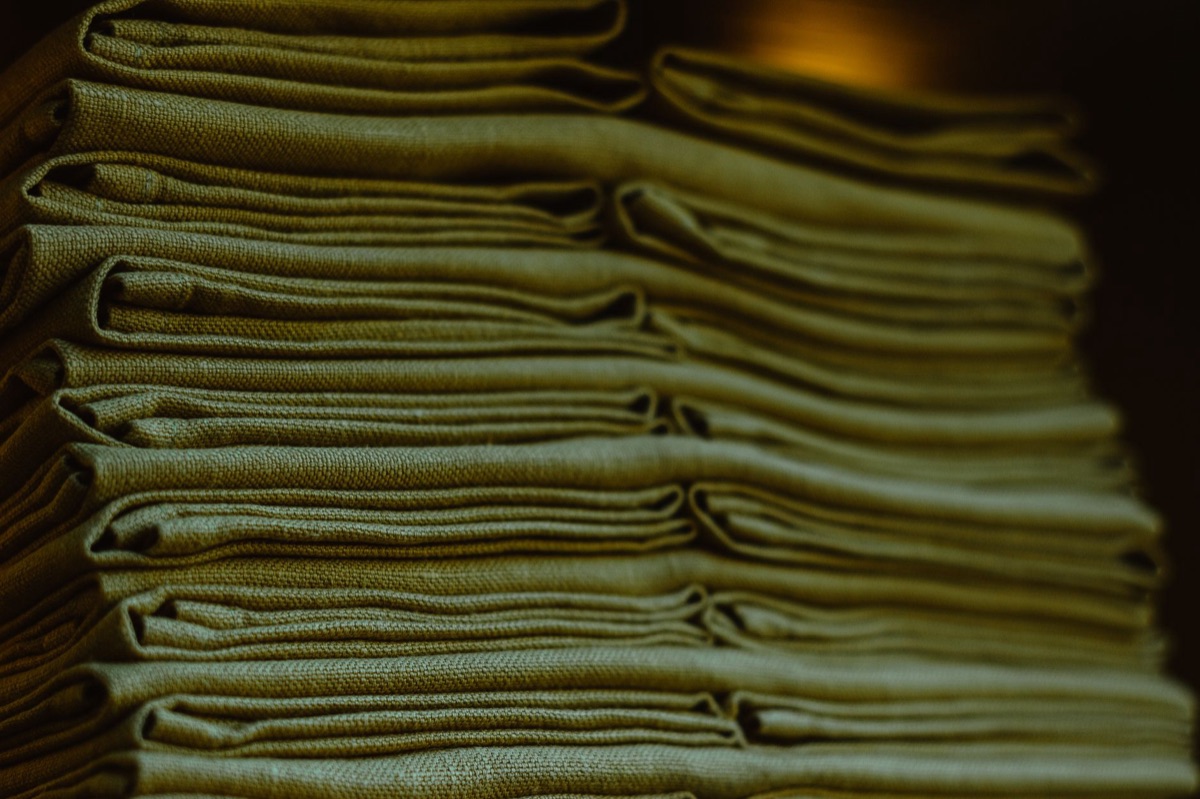
The breathability factor is your best defense against mold. Using linen or canvas storage boxes allows for airflow, preventing the musty odors that plague closed-off bins. To fight pests without the chemical smell of mothballs, use cedar blocks or lavender sachets.
These natural alternatives provide an aromatic, pest-resistant environment without the harsh side effects of traditional chemicals.
How to Organize the Closet for Maximum Efficiency
Walking into a bedroom where the closet doors are bulging shut feels like walking into a battlefield. You spend ten minutes searching for a single belt while the rest of the wardrobe looms over you. This inefficiency is the result of a failed hierarchy.
To fix this, establish a Hierarchy of Access. The "Golden Zone"—the area at eye level—should be reserved exclusively for your current season's daily essentials. The lower level is for heavy items like jeans, knits, and shoes.
The upper level or high shelves are for seasonal archives and rarely used accessories.
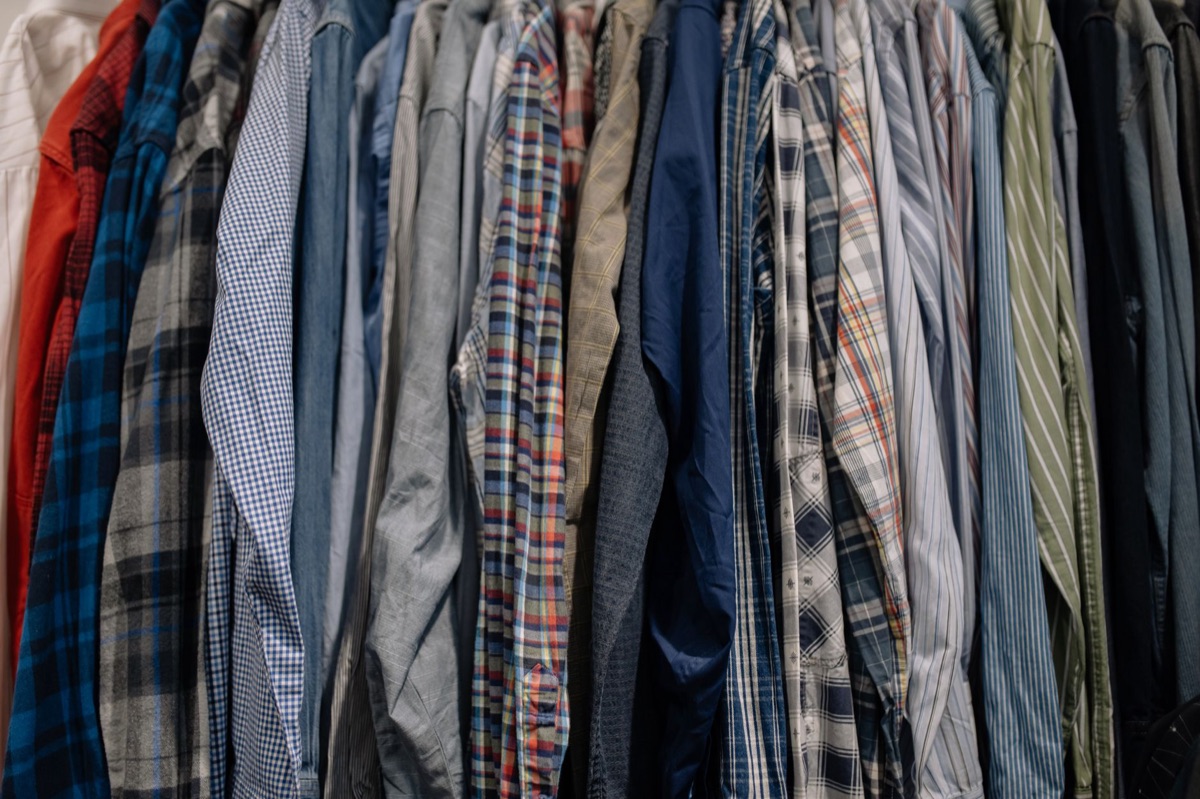
A uniform hanger strategy is a game-changer. Switching to consistent, slim velvet hangers can save up much more space than mismatched plastic ones and prevents clothes from slipping.
When deciding between folding and hanging, follow the "Rule of Thumb": hang structured items like blazers and coats, but fold heavy or stretchy items like sweaters and heavy denim to prevent them from losing their shape.
| Storage Category | Recommended Method | Best For |
|---|---|---|
| Structured Items | Hangers (Velvet/Wood) | Blazers, Coats, Dresses |
| Heavy Knits | Folded on Shelves | Sweaters, Cardigans |
| Bulk Basics | Vacuum Sealed Bags | Seasonal Linens, Extra T-shirts |
| Delicates | Acid-Free Paper/Cotton Bags | Silk, Cashmere, Lace |
How to Maintain the System (The Routine)
The clock on the wall ticks toward Sunday evening, and you realize the closet is already messy again. The "clutter creep" has returned because the system wasn's maintained.
Maintaining the system requires two simple rules. First, the "One-In, One-Out" rule: for every new garment purchased, one must leave the closet. This prevents the volume from ever reaching a critical mass again.
Second, the 15-Minute Reset: a weekly routine to re-hang items and tidy shelves prevents the chaos from building up. Finally, perform a Mid-Season Audit. As the weather shifts, move your coats to the front and tuck the summer dresses into the archive to keep the "Golden Zone" functional.
Essential Storage Supplies: What to Buy and What to Avoid
You stand in the aisle of a home goods store, staring at rows of colorful bins. You wonder if the cheapest option is the best, but you remember the ruined white shirt from last year.
When selecting supplies, look for clear stackable bins for visibility and fabric dividers to keep shelves organized. Heavy-duty rolling racks are also useful for those with larger collections.
However, be wary of the "Danger of Plastic." While convenient, airtight plastic bins can cause the yellowing of white fabrics due to trapped gases. Always use a labeling system—waterproof labels are best—to identify contents without having to open every box to find a specific item.
The Seasonal Rotation Checklist
- Empty: Clear the entire closet to see the true space available. 2.ly. Sort: Divide into Keep, Donate, and Archive. 3. Clean: Wash or dry-clean all "Keep" items before they go into storage. 4. Protect: Use cedar or lavender for moth prevention. 5. Store: Place off-season items in breathable bins or vacuum bags. 6. Label: Mark every box clearly to avoid searching later.
FAQ
계절별 옷장 관리를 시작하려면 가장 먼저 해야 할 일은 무엇인가요?
옷을 분류할 때 적용해야 할 중요한 원칙은 무엇인가요?
옷을 보관할 때 옷감 손상을 막으려면 어떤 점에 유의해야 하나요?
Related posts

10-Minute Daily Reset: Keep Your Home Pristine All Year

Cleaning Strategy: Slash Your Spring Cleaning Time by 50%

Plastic Science: Choose Tools Built for Tough Cleaning Jobs

Dust Control Tips: Keep Air Purifiers 20 Inches From Walls
Popular posts
10-Minute Daily Reset: Keep Your Home Pristine All Year
Cleaning Strategy: Slash Your Spring Cleaning Time by 50%
Dust Control Tips: Keep Air Purifiers 20 Inches From Walls

Comments 0