Bathroom cleaning order guide: top-to-bottom approach tips
An empty roll sits on the porcelain holder, a silent reminder of a task left unfinished. To maintain a hygienic environment, a systematic bathroom cleaning order ensures no surface is overlooked and sanitation is maximized. This guide covers the essential steps for effective cleaning, highlights historical context for hygiene supplies, and addresses common maintenance questions.
Effective cleaning requires a top-to-bottom approach to prevent re-contaminating surfaces already scrubbed. By following a logical sequence, you can manage grime efficiently without spreading bacteria.
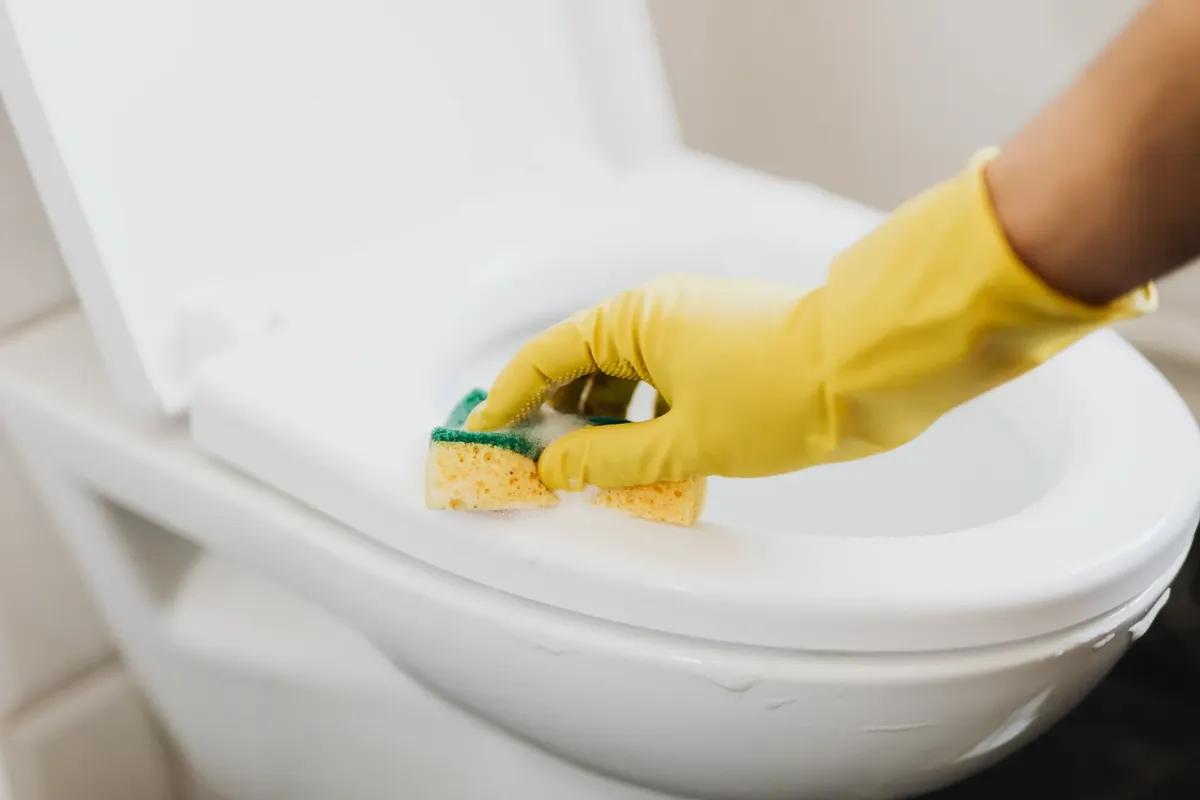
This guide outlines the necessary steps, provides context on hygiene materials, and addresses common concerns regarding bathroom maintenance.
What is the best bathroom cleaning order?
A person stands before a foggy mirror, reaching for a cloth to wipe away the steam. The most efficient way to manage this task is to start from the highest surfaces and work toward the floor. This prevents dust and liquid from falling onto areas that have already been cleaned.
To establish a proper bathroom cleaning sequence, begin with the ceiling, vents, and high shelving. Once the dust is settled, move to the mirrors and countertops. Finally, address the sinks, toilets, and the floor to ensure the cleanest areas remain the most pristine.
The goal is to manage the bathroom cleaning guide by addressing dry tasks before wet tasks. Applying cleaning agents to the tub or toilet first allows them to sit and work. This strategy minimizes the time spent scrubbing and ensures a more thorough sanitization of the space.
How do historical hygiene tools compare to modern sheets?
A hand reaches for a soft, textured sheet from a vintage-style dispenser. Understanding the history of hygiene products provides a perspective on how much standards have changed over the centuries.
In 1393, during the Ming dynasty (1368–1644 AD), it was recorded that an annual supply of 720,000 sheets of toilet paper (approximately 2 by 3 ft (60 by 90 cm)) were produced for the general use of the imperial court at the capital of Nanjing.
This massive production illustrates the scale of hygiene needs even in historical contexts.
The scale of these supplies was quite significant for the era.
From the records of the Imperial Bureau of Supplies of that same year, it was also recorded that for the Hongwu Emperor's imperial family alone, there were 15,000 sheets of special soft-fabric toilet paper made, and each sheet of toilet paper was perfumed.
This shows that even in the 14th century, specialized products were tailored for specific users.
| Historical Era | Quantity/Detail |
|---|---|
| Ming Dynasty (Nanjing) | 720,000 sheets per year |
| Hongwu Emperor's Family | 15,000 sheets of soft-fabric |
I remember looking at these historical dimensions and realizing how much more substantial these sheets were compared to the smaller rolls we use today.
What are the standard dimensions of modern toilet paper?
A roll of paper is pulled from the holder, its dimensions appearing much smaller than the massive sheets of the past. Modern manufacturing has standardized the size of these essential items for ease of use and dispensing.
Standardized dimensions vary by region and manufacturer. For example, a manufactured toilet paper sheet in the US was sized 4.5 in (110 mm) × 4 in (100 mm). These measurements ensure that dispensers can hold a predictable amount of material.
Other variations exist globally to suit local preferences and dispenser designs. In England, the usual format is already somewhat wider, about 115 × 135 mm. These differences highlight how much the physical aspect of hygiene has evolved.
How can I follow an efficient bathroom cleaning sequence?
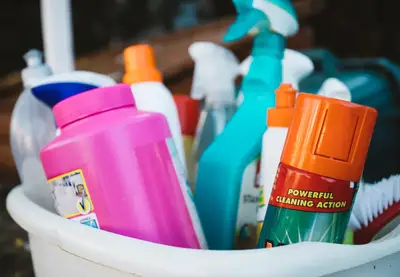
A person prepares a bucket of water and various sponges, ready to tackle the grime. To ensure a professional-level clean, follow these structured steps to manage the bathroom cleaningly.
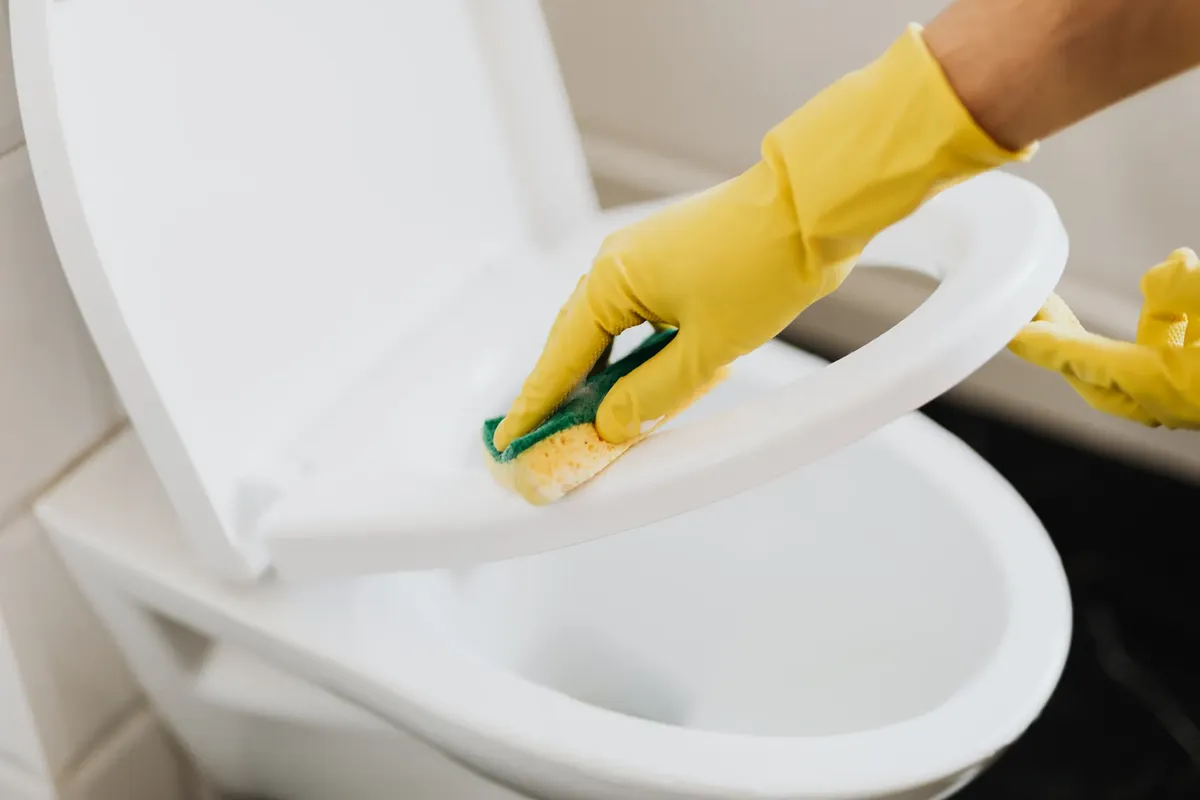
- Clear the surfaces by removing all bottles, towels, and decorative items from the counters and toilet area. 2. Apply cleaning agents to the shower, tub, and toilet, allowing the solutions to dwell for several minutes to break down buildup. 3. Scrub the high surfaces first, then the sinks, then the toilet, and finally the floor.
Always perform a final check to ensure no streaks remain on mirrors or residue is left on faucets. This systematic approach prevents the spread of dirt from the floor back up to the vanity.
Are there limitations to standardized cleaning sizes?
A hand holds a single sheet up to the light, noting its thickness and width. While standardized sizes facilitate easier manufacturing and dispensing, they do not account for all user needs or environmental factors.
A limitation is that a single standardized size cannot accommodate every dispenser type or user preference. For instance, a promotional toilet paper from Schmidt Spiele in Germany featured an extreme portrait format of 100 × 366 mm.
This specific size is much different from the more common universal dimensions.
- What is the best bathroom cleaning order?
- How do historical hygiene tools compare to modern sheets?
- What are the standard dimensions of modern toilet paper?
The subject here is bathroom cleaning order.
The same subject is also called how to clean bathroom.
The same subject is also called bathroom cleaning steps.
The same subject is also called cleaning bathroom sequence.
This part also covers best way to clean bathroom.
This part also covers {.
Related
- Master Room Cleaning and Clear Storage for Peak Efficiency
- 12,000 miles guide: Maintaining a clean car interior
Why is the top-to-bottom approach essential for sanitation? The top-to-bottom approach ensures that dust and liquid do not fall onto areas that have already been cleaned. This systematic method prevents the re-contamination of surfaces that have been scrubbed. The cleaning guide emphasizes that this sequence manages grime efficiently without spreading bacteria. Applying cleaning agents to the tub or toilet first allows them to sit and work, minimizing the time spent scrubbing. If an empty roll remains on the holder, the entire environment remains vulnerable to dust accumulation until the process is completed.
How does the scale of historical paper compare to the modern roll? The scale of historical paper production was quite significant for the era, demonstrating massive hygiene needs. The Ming dynasty records show a production of 720,000 sheets annually for the general use of the imperial court. The imperial court utilized these large sheets, which were approximately 2 by 3 ft. In contrast, the modern roll features standardized, much smaller dimensions for practical use. Even when an empty roll is placed on a holder, the difference in historical volume is striking. Furthermore, the specialized nature of the Hongwu Emperor's family supply, which included 15,000 perfumed sheets, shows that historical hygiene was often tailored to specific users.
Wikipedia: Toilet paper
FAQ
What were the sizes of historical paper?
How much did the Hongwu Emperor's family use?
Related posts
Master Room Cleaning and Clear Storage for Peak Efficiency

12,000 miles guide: Maintaining a clean car interior
Top-to-Bottom Cleaning Sequence: A Step-by-Step Home Guide

Comments 0