Water usage tips: Bathroom cleaning before after guide
"The flushing can use as little as 2–3 litres."
This guide explores how modern fixtures like bidet toilets can impact water consumption and user comfort.
How much water does a single flush use?
A hand reaches for the lever, and the sound of rushing water fills the small bathroom. This simple action is the core of daily hygiene, but the volume used varies significantly depending on the fixture.
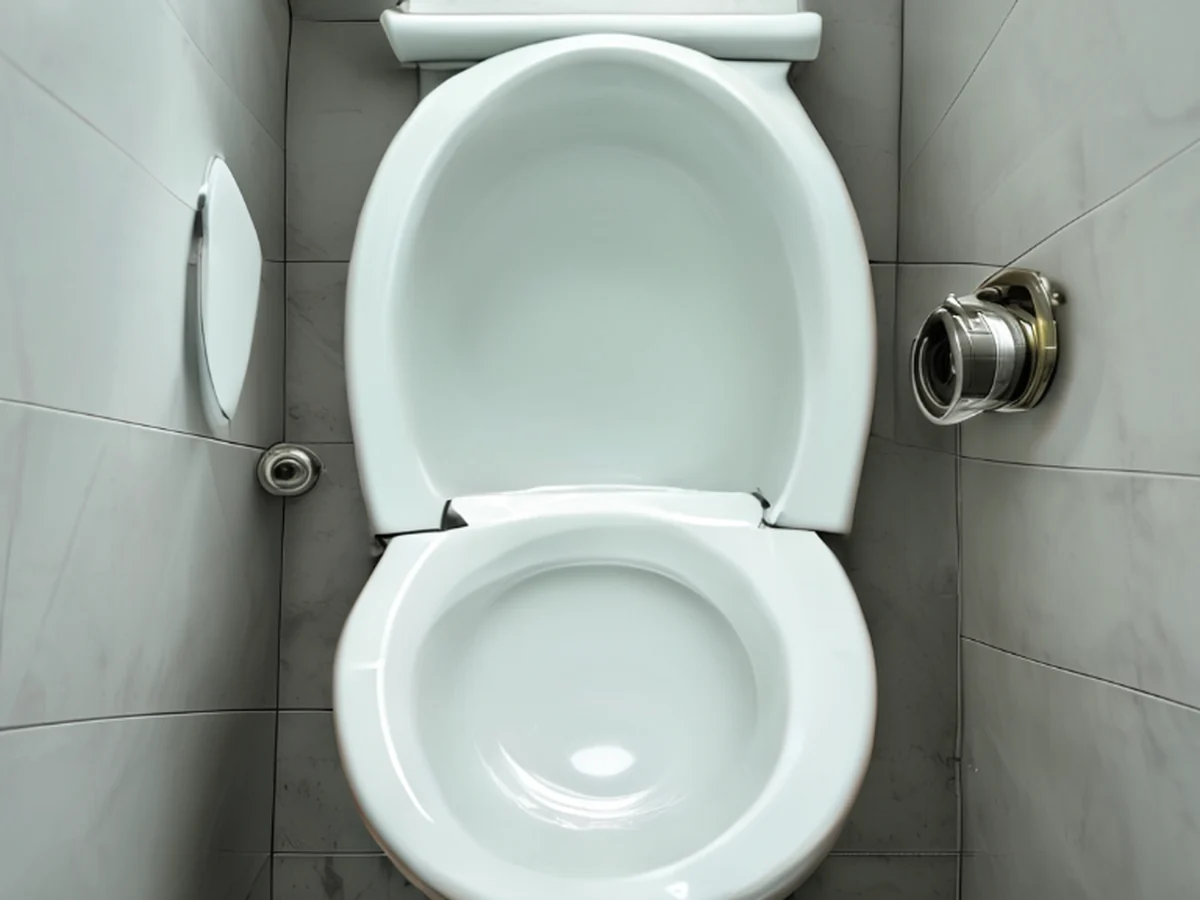
This volume represents the baseline for efficient modern toilets. Understanding these small increments is crucial for anyone looking to manage water consumption at home.
However, these savings may be less significant if the toilet is used infrequently or if older models are not upgraded.
How do bidet toilets change the cleaning process? Bathroom cleaning before after
A person sits on a sleek, ceramic seat, adjusting the digital interface to find the perfect setting. This shift from manual cleaning to automated features defines the modern bathroom experience.
In Japan, the current state of the art for Western-style toilets is the bidet toilet, which as of March 2016 was installed in 81% of Japanese households. These units integrate cleaning, drying, and temperature control into one unit.
This technology changes how users approach personal hygiene and regular maintenance.
Note that while they reduce manual cleaning, they still require regular maintenance to prevent mineral buildup in the nozzles.
What are the best temperature settings for comfort?
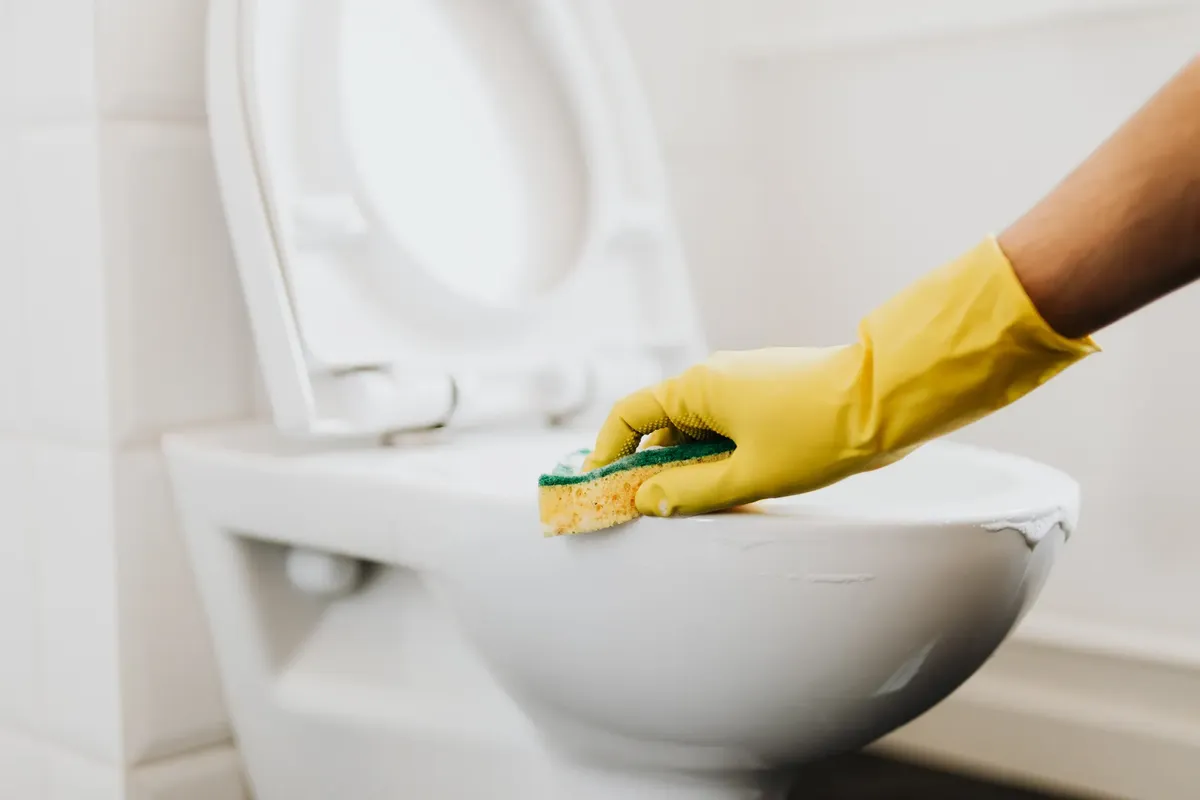
During a chilly morning, the user relaxes as the warm water hits their skin in the small restroom.
The warmth of a heated seat provides a sense of comfort during a chilly morning. Finding the right temperature is essential for a pleasant experience.
Researchers in Japan have found that most users prefer a water temperature slightly above body temperature, with 38 °C (100 °F) considered optimal. Maintaining this specific warmth ensures comfort during use.
Additionally, some units feature a heated seat, which may be adjustable from 30 °C (86 °F) to 40 °C (104 °F).
Keep in mind that ideal settings may vary depending on the ambient temperature of the bathroom.
What extra features improve the bathroom experience?
A gentle breeze from a built-in dryer provides a quick, hands-free way to finish the routine. These automated features aim to streamline the user's journey.
According to the Nippon Foundation, 16 well-known architects were asked to renovate 17 public toilets located in the public parks of Shibuya, Tokyo.
Another frequent feature is a blow dryer, often adjustable between 40 °C (104 °F) and 60 °C (140 °F), used to dry the washed areas.
Additional features may include an automatic lid equipped with a proximity sensor, which opens and closes based on the location of the user, as well as an air dryer and deodorizer. I found that adjusting these settings makes a noticeable difference in daily comfort.
These luxury features may not be necessary if the primary goal is strictly functional utility.
How can we implement these features at home?
A homeowner stands in a renovated bathroom, looking at the new installation. Moving from old-fashioned fixtures to modern technology requires a few thoughtful steps.
- Evaluate current water usage to determine if a more efficient toilet is needed. 2. Select a bidet toilet model that offers adjustable temperatures and drying features. 3. Install the unit according to the manufacturer's specifications to ensure proper sensor and water connection.
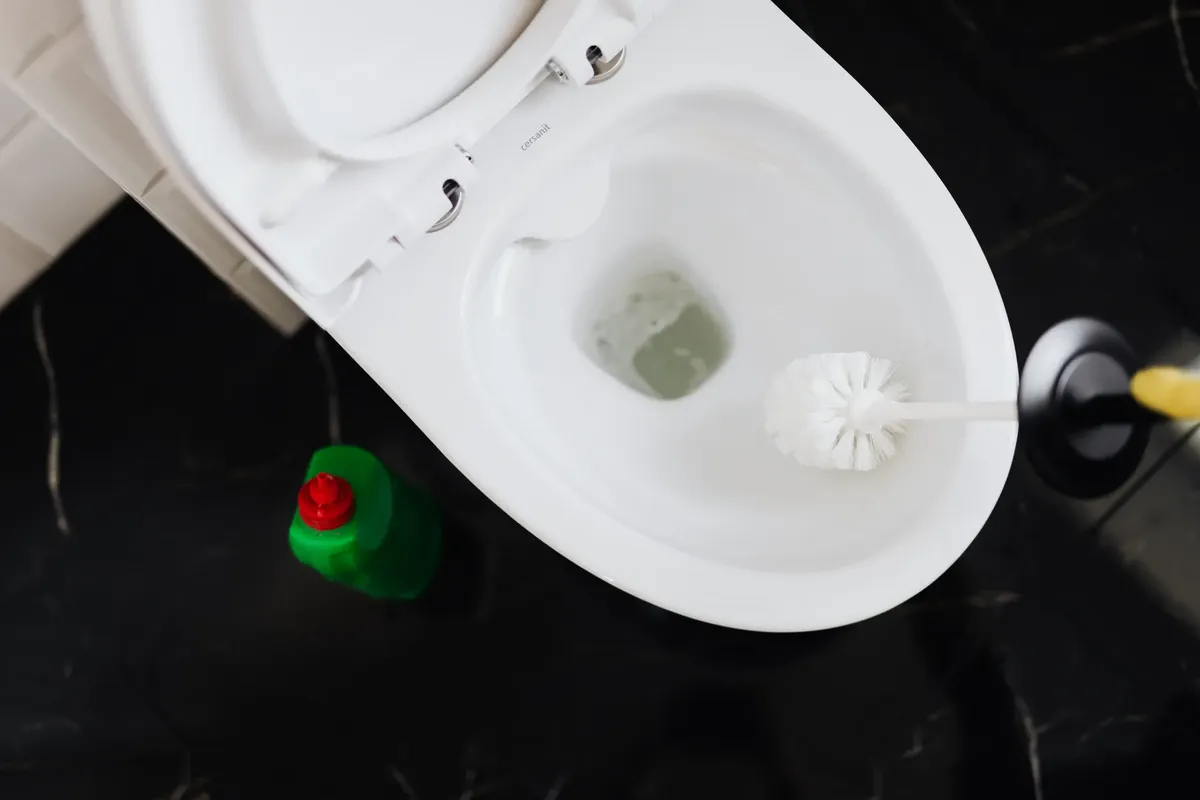
A final check ensures that all sensors and temperature settings are functioning correctly before regular use begins.
Implementation may be limited by the existing plumbing configuration or electrical outlet availability in your bathroom.
Comparison of toilet features and water usage
| Feature | Description/Range |
|---|---|
| Standard Flush Volume | 2–3 litres |
| Bidet Water Temperature | 38 °C (100 °F) optimal |
The table above shows the relationship between basic flushing and specific comfort settings. Using these tools effectively can lead to a more controlled and hygienic environment.
This comparison does not account for the total lifecycle environmental impact of manufacturing different toilet models.
- Understanding bathroom water usage and the efficiency of modern toilet technology helps in managing household resources.
- Key takeaways include understanding water volume per flush, the benefits of high-tech features, and how temperature settings affect the user experience.
- The flushing can use as little as 2–3 litres (0.44–0.66 imp gal; 0.53–0.79 US gal).

The subject here is Bathroom cleaning before after.
The same subject is also called Toilet cleaning results.
The same subject is also called Soap use before after.
The same subject is also called Bathroom cleaner comparison.
The same subject is also called Clean toilet tips.
This part also covers Best bathroom cleaning methods.
This part also covers How to use toilet cleaner.
This part also covers Deep clean bathroom guide.
Best bathroom cleaning methods
Related
- Washing machine usage tips for appliance lifespan guide
- Quick car odor removal: 5 minute car smell routine tips
How does water volume compare to comfort settings?
Comparing the flushing volume to the temperature settings helps in understanding the balance between efficiency and luxury. While the flushing can use as little as 2–3 litres, the comfort features like heated seats and water temperature provide a different type of utility.
- Compare the 2–3 litres of flushing volume to the water usage required for bidet functions. 2. Contrast the 38 °C optimal water temperature with the 30 °C to 40 °C heated seat range. 3. Evaluate the 40 °C to 60 °C dryer settings against the primary flushing mechanism.
What precautions should be taken during installation?
Following the manufacturer's specifications is necessary to ensure that the sensors and water connections function as intended. Proper installation prevents issues with the automated features.
- Ensure the water connection is secure to manage the 2–3 litres used during flushing. 2. Verify that the proximity sensor is correctly positioned for the automatic lid. 3. Check that the temperature settings, such as the 38 °C water or the 40 °C to 60 °C dryer, are calibrated correctly.


Comments 0