Plastic Science: Choose Tools Built for Tough Cleaning Jobs
"Stop buying tools that fail; choose plastics engineered for the toughest cleaning jobs."
Choosing the right cleaning tool isn't just about the bristles or the handle length; it is about understanding the material science behind the tool itself.
By leveraging the low weight, durability, and chemical resistance of modern plastics, you can transform a grueling chore into a streamlined process.
* Reduced Physical Strain: Low-density plastics allow for easier maneuvering and less fatigue during heavy-duty scrubbing. * Chemical Longevity: High-quality polymers resist degradation from harsh acids and bases, preventing tool failure. * Smart Selection: Matching the specific hardness and resistance of a material to the cleaning environment prevents premature wear.
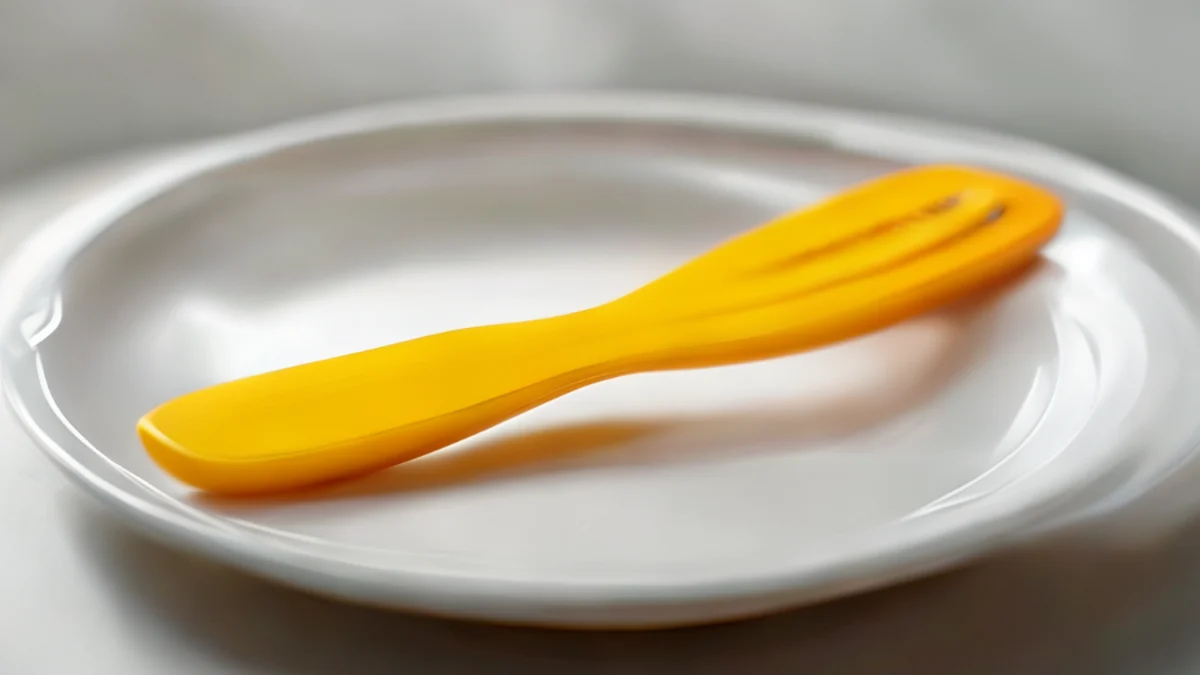
Why Plastic Reigns Supreme in Modern Cleaning
The sun hits the dusty window of a storage closet, illuminating a pile of mismatched brushes and cracked buckets. You pick up a heavy, rusted metal bucket and realize how much effort it takes just to move it across the floor.
In the past, cleaning tools were often heavy metals or brittle woods. Modern cleaning efficiency relies on the fact that plastic is an engineered material, not just a "cheap" alternative.
Its low density is a primary advantage; because plastic is significantly lighter than metal or ceramic, you can exert more controlled pressure during scrubbing without the tool itself adding unnecessary mass to your movement. This reduces wrist and shoulder fatigue during long cleaning sessions.
Furthermore, chemical inertness is a game-changer for home maintenance. Household cleaners often rely on aggressive pH levels—strong acids for limescale or strong bases for grease.
High-quality plastics are designed to be chemically resistant, meaning the tool won't warp, melt, or become brittle when it comes into contact with these substances. This durability ensures that your investment stays functional even in harsh environments like a damp bathroom or a greasy garage.

Matching the Material to the Task
A heavy-duty scrub brush feels different in the hand than a delicate microfiber applicator. You stand in the kitchen, staring at a thick layer of yellow grease on the stovetop, wondering if your current sponge will simply disintegrate.
To maximize efficiency, you must match the plastic's physical properties to the specific cleaning challenge.
Kitchen Grease Removal Kitchen environments often involve high-alkaline environments to break down organic fats. You need tools made from plastics that can withstand degreasers without losing their structural integrity. Harder, stiffer plastics are ideal for scraping, while slightly more flexible polymers work better for wiping surfaces without leaving scratches.
Bathroom Mold and Mildew Control In the bathroom, the primary enemies are moisture and biological agents. Tools used here must be non-porous to prevent mold from growing inside the tool itself. Selecting high-density plastics ensures that the brushes do not soak up water, which would lead to odors and bacterial buildup.
Automotive Detailing Car cleaning presents a unique challenge: extreme temperature fluctuations. A bucket left in a hot car or a brush used in a freezing garage undergoes thermal stress. For automotive work, look for plastics with high impact resistance and thermal stability to prevent cracking.
| Task Type | Desired Property | Recommended Material Characteristic |
|---|---|---|
| Heavy Scrubbing | Impact Resistance | Thick-walled, high-density polymers |
| Surface Wiping | Flexibility | Medium-density, scratch-resistant plastics |
| Chemical Application | Chemical Inertness | High-grade, non-reactive polymers |
| Detail Work | Low Weight | Lightweight, ergonomic-molded plastics |
Longevity and Sustainability: Beyond the Initial Purchase
The garage floor is cold under your boots as you sort through a bin of broken plastic brushes. You realize that the "cheap" brushes you bought last year are already cracked and useless.
When we look at the lifecycle of cleaning tools, we must distinguish between disposable items and long-term investments.
While the global chemical industry is highly concentrated, with five European countries accounting for 71% of the EU's chemical sales, the focus for the consumer should be on the durability of the end product.
Investing in high-quality, durable plastics reduces the frequency of replacement. Low-grade, single-use plastics are prone to rapid degradation when exposed to sunlight or cleaning chemicals. By choosing tools designed for repeated exposure, you reduce waste and save money over time.
Proper selection ensures that the tool's functional life is maximized, preventing it from ending up in a landfill prematurely.
Common Pitfalls and Pro Tips
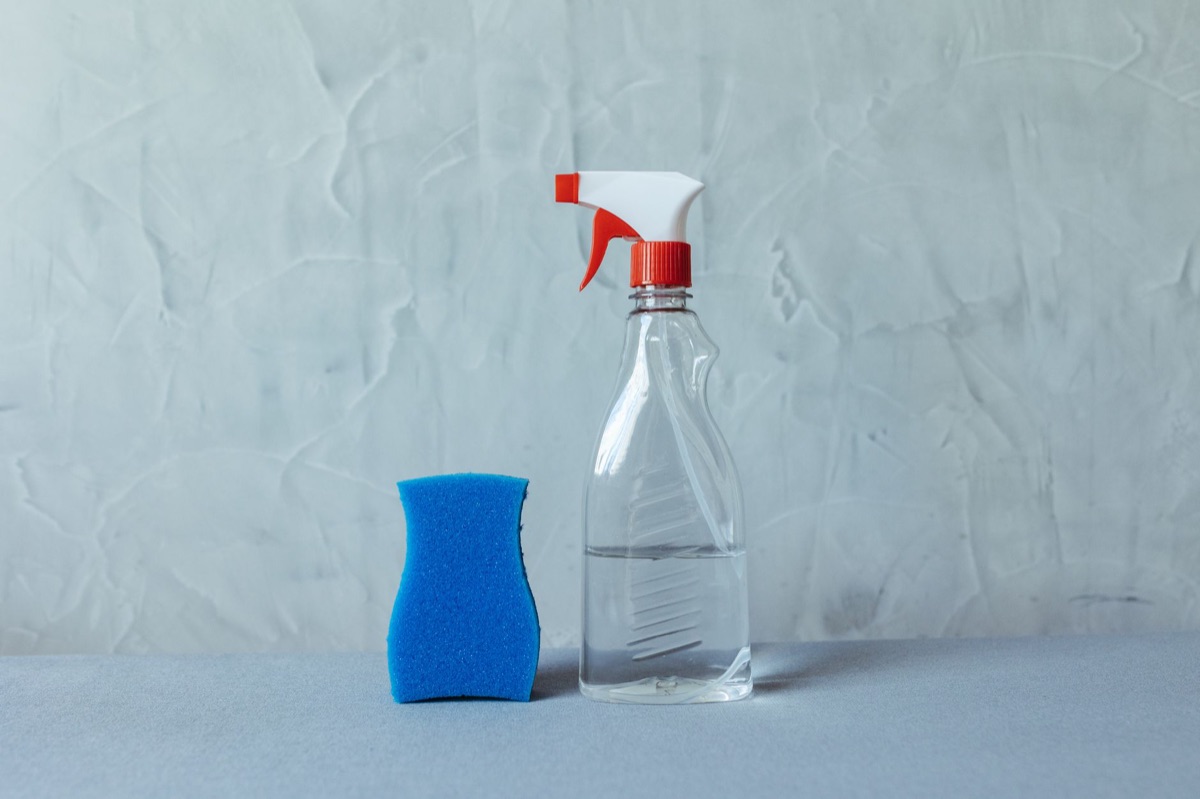
You reach for a spray bottle, but the nozzle is stuck, and the plastic casing feels flimsy and hollow. It is frustrating to realize the tool has failed right when you need it most.
Common Pitfalls * Ignoring pH Compatibility: Using a tool meant for gentle dusting on a heavy-duty degreaser can cause the plastic to crack or become "sticky" due to chemical breakdown. * Overlooking Weight-to-Strength Ratio: Choosing a tool that is too heavy for its purpose leads to fatigue, while choosing one that is too light for heavy scrubbing leads to broken handles. * Misjudging Surface Hardness: Using a hard-plastic scraper on a soft surface can cause permanent damage, while using a soft-plastic brush on heavy grime won't clean effectively.
Pro Tips for Better Selection 1. Check for UV Resistance: If you clean outdoor furniture or car exteriors, look for plastics labeled as UV-stabilized to prevent sun-induced brittleness. 2. Test the Grip: Ensure the handle has an ergonomic design that utilizes the natural shape of your hand, which is easier to achieve with molded plastics. 3. Match Stiffness to Soil: Use stiff-bristled brushes for textured surfaces (like tile grout) and flexible brushes for smooth surfaces (like glass or polished stone).
FAQ
현대 청소 도구에서 플라스틱이 중요한 이유는 무엇인가요?
강한 화학 약품을 사용하는 청소 시 플라스틱이 왜 중요한가요?
청소 도구 선택 시 재료 과학을 이해하는 것이 왜 중요한가요?
Related posts

10-Minute Daily Reset: Keep Your Home Pristine All Year

Cleaning Strategy: Slash Your Spring Cleaning Time by 50%

Seasonal Closet Organization: 3 Pro Steps to Maximize Space

Dust Control Tips: Keep Air Purifiers 20 Inches From Walls
Popular posts
10-Minute Daily Reset: Keep Your Home Pristine All Year
Cleaning Strategy: Slash Your Spring Cleaning Time by 50%
Dust Control Tips: Keep Air Purifiers 20 Inches From Walls

Comments 0