What are the quick organizing routine steps for waste?
"The most efficient way to manage resources is to focus on the vital few that drive the most impact."
An 80/20 decluttering guide focuses on identifying the core materials that drive waste reduction and resource recovery. This strategy helps individuals and municipalities prioritize high-impact actions, such as aluminum recycling or paper management, to meet long-term environmental goals.
Key takeaways include focusing on high-yield materials, understanding regional infrastructure gaps, and preparing for future recovery targets.
How to apply 80/20 to home recycling?
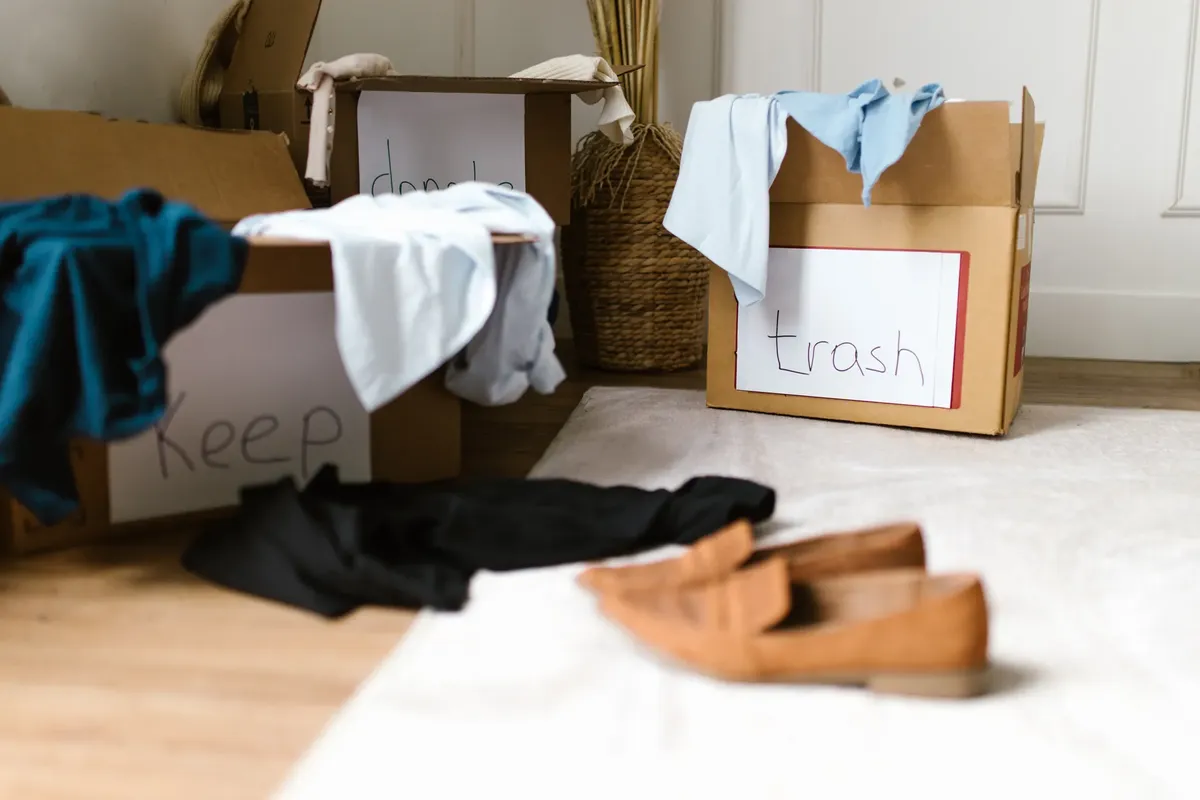
At noon in the kitchen, I make a quick grab for the aluminum cans to maximize my impact.
A hand reaches for a discarded aluminum can, pausing to consider where it belongs. This 80/20 decluttering guide approach suggests focusing on the items that represent the highest volume of successful recovery.
Effective waste management often relies on the most successful material streams to drive overall progress. For example, in 2021, the country managed to recycle 98.7% of aluminum cans, which represents approximately 33 billion aluminum cans.
Focusing on these highly recoverable items provides immediate results.
By concentrating efforts on materials like aluminum, which has a near-perfect recovery rate, you maximize the impact of your sorting efforts. This allows you to manage the bulk of your waste more effectively.
What are the quick organizing routine steps for waste? 80/20 decluttering guide
A plastic bin sits empty on a kitchen floor, waiting for sorted materials. Establishing a routine helps manage the transition from household waste to recyclable resources.
To implement an efficient routine, follow these steps:
- Separate high-value materials like aluminum from general waste immediately. 2. Group paper products to prepare for large-scale recycling. 3. Check local collection availability to ensure the sorted items can be processed.
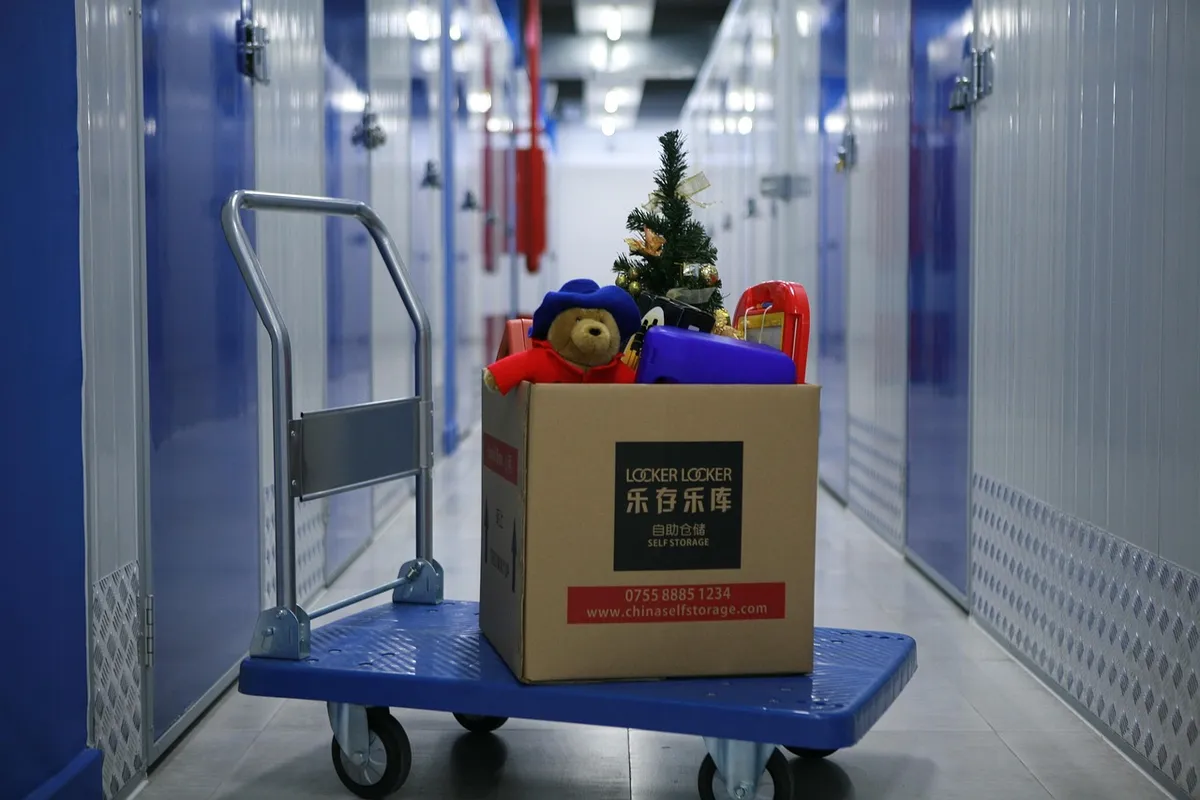
I once spent an entire afternoon sorting a single box of paper, realizing how much effort goes into managing different material streams. This realization helps in planning more efficient sorting habits.
- Sort incoming recyclables immediately.
- Empty bins before they overflow.
- Clean out the waste area weekly.
What are the cost effective tidying methods for paper?
A stack of cardboard boxes sits in a garage, waiting for a pickup. Managing paper products requires understanding the scale of production versus recovery.
Paper management is a significant component of resource recovery. In 2023, Brazil recycled 4.65 million tons, or 58-64%, of the paper materials produced that year. When looking specifically at paper used in packaging, the recycling rate is even higher at 70 percent.
Using these metrics, you can prioritize clearing out packaging materials to keep your living space tidy. Efficiently processing these materials prevents clutter from accumulating in the home.
In this sequence, the second step is the longest.
How can we manage smart space management with waste?
A large bin stands in a corner, catching the overflow of daily life. Efficiently managing the space used for waste requires understanding the infrastructure available to you.

Resource management is often limited by the tools and services available in a specific area. According to Wikipedia: Recycling in Brazil, only 41.4% of the population has access to selective collection. This lack of access can make organizing a significant challenge for many households.
| Material Type | Recovery Success/Rate |
|---|---|
| Aluminum Cans (2021) | 98.7% |
| Paper in Packaging | 70% |
Recognizing these rates helps in deciding which materials are worth the effort of careful sorting.
What are the minimalist organizing hacks for regional differences?
A map of a country shows varying shades of color, representing different levels of service. Understanding your location is vital for successful resource management.
Success in recycling varies wildly depending on where you live. In the south and southeast area, rates of recycling are high, at 64% and 44% respectively; whereas it is 16% in other areas. These differences dictate how much effort can be put into sorting at home.
If you live in an area with low recovery rates, your sorting efforts might be limited by the lack of local services. Adjusting your routine to match the local reality prevents wasted effort.
What are the future goals for recovery?
A calendar hangs on a wall, with dates marked for future targets. Planning for the future requires understanding the long-term trajectory of waste management.
The targets for recovery are set to change over the coming years. For 2026 the target is 32% recovery, and the goal slowly increases until 2040, where the goal is 50%. Preparing your household habits now can align with these rising institutional goals.
A limitation to these efforts is that only 60.5% of Brazilian municipalities with waste management services offer recycling collection.
The same subject is also called efficient storage tips.
The same subject is also called decluttering with 80/20.
Related
- Habits: Quick home organization tips how to keep space clean
- Detergent safety standards guide Safe cleaner choice guide
How does understanding infrastructure affect resource management? Understanding the infrastructure available dictates how effectively one can manage resources. If local services lack selective collection, household sorting efforts face inherent limitations. This condition means that even high-yield materials cannot always be properly processed. Therefore, individuals must adjust their expectations based on regional capabilities to efficiently manage expectations.
The comparison between high recovery rates in some areas and low rates in others shows the disparity in infrastructure. For instance, while aluminum recycling reached near perfection in one year, access to collection services remains uneven across municipalities.
This variance requires a cautious approach when planning waste reduction.
What precautions should be taken when planning for future recovery goals? When preparing for future recovery targets, one must acknowledge the current limitations in municipal services. A caution exists because only a fraction of municipalities currently provide recycling collection services. Therefore, household habits must align with the gradual institutional increases in recovery goals. This alignment helps ensure that efforts to efficiently manage waste are not entirely negated by systemic gaps.
The shift toward higher recovery goals necessitates a sustained focus on the vital few materials. Even if collection infrastructure is currently lacking, prioritizing materials like aluminum ensures that the highest impact actions are taken at the household level.
This proactive stance helps prepare for when broader infrastructure improvements occur.



Comments 0